

:max_bytes(150000):strip_icc()/Health-GettyImages-2198105325-ef6dc2162e5c4230a6df4988a5d2cbb9.jpg?w=1068&resize=1068,0&ssl=1 "is whole milk good for you")
Introduction
Whole milk has been a staple food across cultures for centuries, consumed by children and adults alike in homes, farms, and traditional diets. Despite its long history, modern dietary debates have placed whole milk under scrutiny, especially as low-fat and plant-based alternatives gained popularity. This shift has left many people asking a simple yet important question: is whole milk good for you?
Whole milk is defined as cow’s milk that contains its natural fat content, typically around 3.25 percent. Unlike skimmed or reduced-fat milk, it retains the full range of fat-soluble vitamins and natural richness that occurs when milk is minimally processed. Understanding whether whole milk deserves a place in a healthy diet requires examining its nutritional composition, its effects on the body, and how scientific perspectives have evolved over time.
This article explores whole milk in depth, separating outdated assumptions from current research and practical health considerations.
Understanding What Whole Milk Contains
Whole milk is more than a beverage; it is a complex natural food containing macronutrients, micronutrients, enzymes, and bioactive compounds. It provides carbohydrates in the form of lactose, high-quality protein containing all essential amino acids, and naturally occurring fats that contribute to satiety and nutrient absorption.
The fat content in whole milk plays a crucial role in its nutritional value. These fats help the body absorb vitamins A, D, E, and K, which are naturally present or added during fortification. Whole milk also contains minerals such as calcium, phosphorus, potassium, and magnesium, all of which support bone health and muscle function.
Because it is less processed than reduced-fat varieties, whole milk maintains its original structure, which some researchers believe influences digestion and metabolic responses.
The Nutritional Profile of Whole Milk
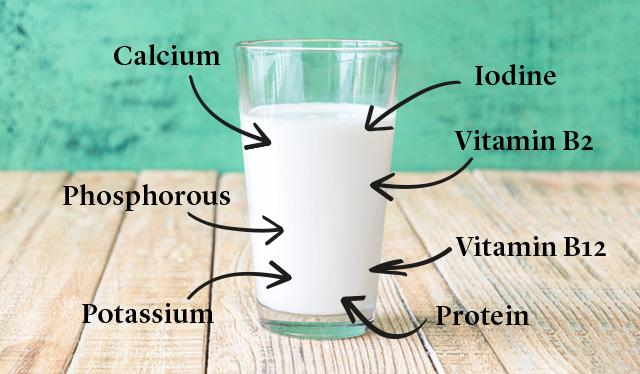
A closer look at the nutritional makeup of whole milk reveals why it has remained a dietary mainstay. One cup of whole milk offers a balanced combination of nutrients that contribute to overall health and energy needs.
Table 1: Nutritional Composition of Whole Milk per Cup
| Nutrient | Approximate Amount |
|---|---|
| Calories | 150 |
| Protein | 8 grams |
| Total Fat | 8 grams |
| Saturated Fat | 5 grams |
| Carbohydrates | 12 grams |
| Natural Sugars | 12 grams |
| Calcium | 300 mg |
| Vitamin D | 2.4 mcg |
| Vitamin B12 | 1.1 mcg |
| Potassium | 370 mg |
This nutritional density explains why whole milk can be particularly beneficial for growing children, active adults, and individuals seeking sustained energy.
Protein Quality and Muscle Support
Whole milk contains complete protein, meaning it provides all nine essential amino acids required by the human body. These proteins include casein and whey, both of which support muscle maintenance, tissue repair, and immune health.
Casein digests slowly, offering a steady release of amino acids over time, while whey digests quickly, making whole milk an effective post-exercise beverage. For individuals engaged in physical activity, whole milk can support muscle recovery and strength when consumed as part of a balanced diet.
Protein in whole milk also promotes satiety, helping people feel fuller for longer periods and potentially reducing unnecessary snacking.
Whole Milk and Bone Health

Calcium and vitamin D are widely recognized for their role in maintaining strong bones and teeth, and whole milk is a reliable source of both. The presence of milk fat may improve calcium absorption, particularly in individuals who struggle with nutrient uptake.
Throughout life, bone density naturally declines, increasing the risk of fractures and osteoporosis. Regular consumption of calcium-rich foods such as whole milk can contribute to bone strength, especially when combined with weight-bearing exercise and adequate vitamin D intake.
For children and adolescents, whole milk supports skeletal development during critical growth phases, while adults benefit from its role in preserving bone mass.
Cardiovascular Health and Changing Perspectives
For decades, whole milk was criticized for its saturated fat content and potential impact on heart health. Traditional dietary guidelines often encouraged low-fat dairy options based on the belief that saturated fat increased cholesterol and cardiovascular risk.
However, recent studies have challenged this simplistic view. Emerging research suggests that the saturated fat found in dairy behaves differently from that found in highly processed foods. Dairy fat contains unique fatty acids that may have neutral or even protective effects on heart health.
As a result, nutrition experts now consider overall dietary patterns more important than isolated nutrients, leading many to reconsider whether avoiding whole milk is necessary for heart health.
Weight Management and Satiety
One common concern surrounding whole milk is its calorie content. Yet calorie density alone does not determine whether a food contributes to weight gain. Whole milk’s fat and protein combination promotes fullness and reduces hunger, which can help regulate overall calorie intake.
Several observational studies have found that people who consume whole milk regularly are not more likely to gain weight than those who choose low-fat dairy. In some cases, whole milk consumption has been associated with healthier body weight outcomes.
This has led many people to revisit the question is whole milk good for you when considering weight management strategies that focus on satisfaction rather than restriction.
Whole Milk and Blood Sugar Control

Whole milk has a moderate glycemic impact due to its lactose content. However, the presence of fat and protein slows digestion, preventing rapid spikes in blood sugar levels.
For individuals without lactose intolerance, whole milk can be incorporated into meals to help balance carbohydrate intake. When paired with fiber-rich foods, it contributes to more stable energy levels throughout the day.
Those managing blood sugar levels may find whole milk preferable to sweetened dairy alternatives or flavored milk products that contain added sugars.
Whole Milk Versus Low-Fat Milk
Comparing whole milk with low-fat or skim milk highlights important differences beyond calorie content. While low-fat milk contains fewer calories and less fat, it may also be less satisfying and less effective at delivering fat-soluble nutrients.
Table 2: Comparison of Whole Milk and Low-Fat Milk
| Aspect | Whole Milk | Low-Fat Milk |
|---|---|---|
| Fat Content | Natural full fat | Reduced fat |
| Satiety Level | High | Moderate |
| Vitamin Absorption | Enhanced | Slightly reduced |
| Taste and Texture | Rich and creamy | Thinner |
| Processing Level | Minimal | More processed |
This comparison demonstrates why some people prefer whole milk despite its higher calorie content.
Digestive Health and Tolerance
Whole milk is generally well tolerated by individuals who can digest lactose effectively. The fat content may slow lactose absorption, reducing digestive discomfort for some people compared to skim milk.
Fermented dairy products often receive attention for gut health, but whole milk itself contributes beneficial nutrients that support digestive enzyme activity and gut lining integrity.
Those with lactose intolerance may need to avoid or limit whole milk, but lactose-free versions offer similar nutritional benefits without digestive distress.
Whole Milk for Children and Adolescents

Whole milk plays an important role in childhood nutrition, supporting growth, brain development, and energy needs. Health authorities often recommend whole milk for young children because dietary fat is essential for neurological development during early life stages.
As children grow older, individual needs vary, but whole milk remains a valuable source of protein and minerals during periods of rapid growth and increased physical activity.
Parents frequently ask is whole milk good for you when choosing foods that support healthy development without excessive processing.
Whole Milk in Adult and Senior Diets
Adults benefit from whole milk’s nutrient density, particularly when maintaining muscle mass and bone strength becomes increasingly important with age. Protein and calcium intake often decline in older populations, making whole milk a convenient nutritional solution.
For seniors with reduced appetite, whole milk provides more calories and nutrients per serving than low-fat alternatives, supporting overall energy intake and preventing unintended weight loss.
Whole Milk and Inflammation Myths
Another misconception surrounding whole milk is its supposed inflammatory effect. While some individuals may experience inflammation due to dairy sensitivity, whole milk itself has not been conclusively linked to systemic inflammation in healthy individuals.
In fact, certain bioactive compounds in dairy fat may possess anti-inflammatory properties. As with most foods, individual responses vary, emphasizing the importance of personal tolerance and overall dietary balance.
Cultural and Traditional Use of Whole Milk
Across many cultures, whole milk has been valued for its nourishment and versatility. From traditional Indian diets to European pastoral communities, whole milk has played a central role in culinary and nutritional practices.
Modern dietary trends sometimes overlook the wisdom of traditional eating patterns, yet these cultures often consumed whole milk as part of balanced diets rich in whole foods and physical activity.
This historical context adds depth to the ongoing discussion about is whole milk good for you in contemporary lifestyles.
Whole Milk and Athletic Performance
Athletes and physically active individuals often include whole milk in recovery routines due to its combination of protein, carbohydrates, and electrolytes. Studies suggest that whole milk may support muscle repair more effectively than some commercial recovery drinks.
The natural balance of nutrients helps replenish glycogen stores while providing essential amino acids for muscle growth. For those engaging in strength training or endurance sports, whole milk can be a practical and affordable recovery option.
Environmental and Ethical Considerations
While this article focuses on health, many consumers also consider environmental and ethical factors when choosing dairy products. Whole milk production varies widely depending on farming practices, animal welfare standards, and regional sustainability efforts.
Choosing responsibly sourced whole milk can align nutritional benefits with ethical values, offering a more holistic approach to food choices.
Who Should Limit or Avoid Whole Milk

Despite its benefits, whole milk may not be suitable for everyone. Individuals with lactose intolerance, milk protein allergy, or specific medical conditions requiring low-fat diets should seek professional guidance.
Moderation remains key, as excessive intake of any food can disrupt nutritional balance. Listening to the body’s response and considering individual health goals ensures that dietary choices remain supportive rather than restrictive.
Revisiting the Central Question
After examining nutritional science, cultural history, and individual health factors, the question is whole milk good for you becomes more nuanced than a simple yes or no. For many people, whole milk can be a nourishing, satisfying, and health-supportive food when consumed in moderation as part of a balanced diet.
Its natural fat, high-quality protein, and essential micronutrients contribute to satiety, bone health, and overall nutritional adequacy. Rather than fearing its fat content, modern research encourages a broader view of dietary quality and lifestyle patterns.
Conclusion
Whole milk remains one of the most complete and naturally balanced foods available. Its rich nutritional profile supports growth, energy, and long-term health across different life stages. While individual needs and tolerances vary, whole milk continues to earn its place in many healthy diets around the world.
Ultimately, understanding personal health goals, activity levels, and dietary preferences helps determine whether whole milk fits into your routine. When enjoyed mindfully, it can be both nourishing and satisfying, offering far more than just a source of calcium.
Read More:- Whole Milk Nutrition Guide: Benefits, Facts, and Daily Value
:max_bytes(150000):strip_icc()/Health-GettyImages-2198105325-ef6dc2162e5c4230a6df4988a5d2cbb9.jpg?w=1200&resize=1200,0&ssl=1&description=Is whole milk good for you? Explore its nutrition, health benefits, myths, and science-backed facts to decide if whole milk fits your daily diet.)