


Introduction
People from all over the world have eaten whole milk for hundreds of years because it tastes good, can be used in many ways, and is good for you. Whole milk nutrition is often a topic of debate in modern dietary discussions because of its fat content, but it is still one of the most complete natural foods available. Whole milk is important for getting the nutrients you need for good health, from growing up to balancing your diet as an adult. To really understand the nutrition in whole milk, you need to look beyond the calories and fat. You also need to know about the proteins, vitamins, minerals, and bioactive compounds it has.
Whole milk has all the natural parts that are left over after milking, including fat. This recipe gives it more flavor and makes it more filling than versions with less fat. When it comes to whole milk nutrition, it’s not just about how many calories you get; it’s also about how the nutrients work with the body to keep bones, muscles, the nervous system, and metabolism healthy. This article goes into great detail about whole milk nutrition, including what it’s made of, how it can help your health, common myths, and how to use it in your daily diet.
What Whole Milk Is and How It Works
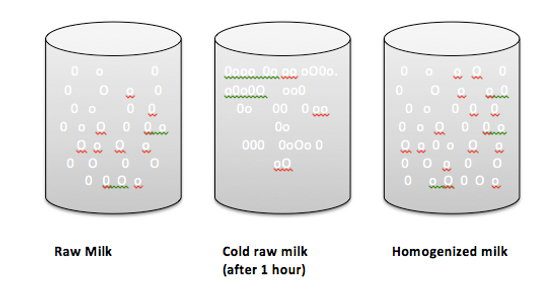
Whole milk is cow’s milk that still has the fat it had when it was first made, which is usually about 3.25 percent. It doesn’t go through much processing other than pasteurization and homogenization, unlike skim or low-fat milk. This means that the vitamins in milk that dissolve in fat stay intact. Whole milk nutrition reflects this natural balance. It has lactose, which is a type of carbohydrate, high-quality proteins, and milk fat, which makes you feel full and adds flavor.
The nutritional profile of whole milk has not changed much over time, but the levels of micronutrients can change a little depending on how animals are raised and what they eat. Whole milk nutrition is a reliable source of important nutrients that many diets may not have enough of, such as calcium, vitamin B12, and riboflavin.
The Macronutrient Makeup of Whole Milk
Macronutrients are the first thing to look at when it comes to whole milk nutrition. They make up its energy value. Each serving has a mix of carbs, proteins, and fats that make it a balanced food instead of just a source of one nutrient. Lactose, a natural sugar found in milk, is the main source of carbohydrates. It gives you energy and helps your body absorb calcium.
There are two main types of protein in whole milk: casein and whey. These proteins are full proteins because they have all the amino acids that the body needs. Whole milk has saturated, monounsaturated, and small amounts of polyunsaturated fats, as well as cholesterol that is naturally present. People often criticize fat, but it is very important for hormone balance and nutrient absorption.
Table 1: Macronutrient Profile per Cup of Whole Milk
| Nutrient | Amount |
|---|---|
| Calories | 150 kcal |
| Protein | 8 g |
| Total Fat | 8 g |
| Saturated Fat | 4.5 g |
| Carbohydrates | 12 g |
| Sugars (Lactose) | 12 g |
This balance of macronutrients is one of the reasons why people often say that whole milk nutrition is naturally complete.
Whole Milk’s Vitamins and Micronutrients
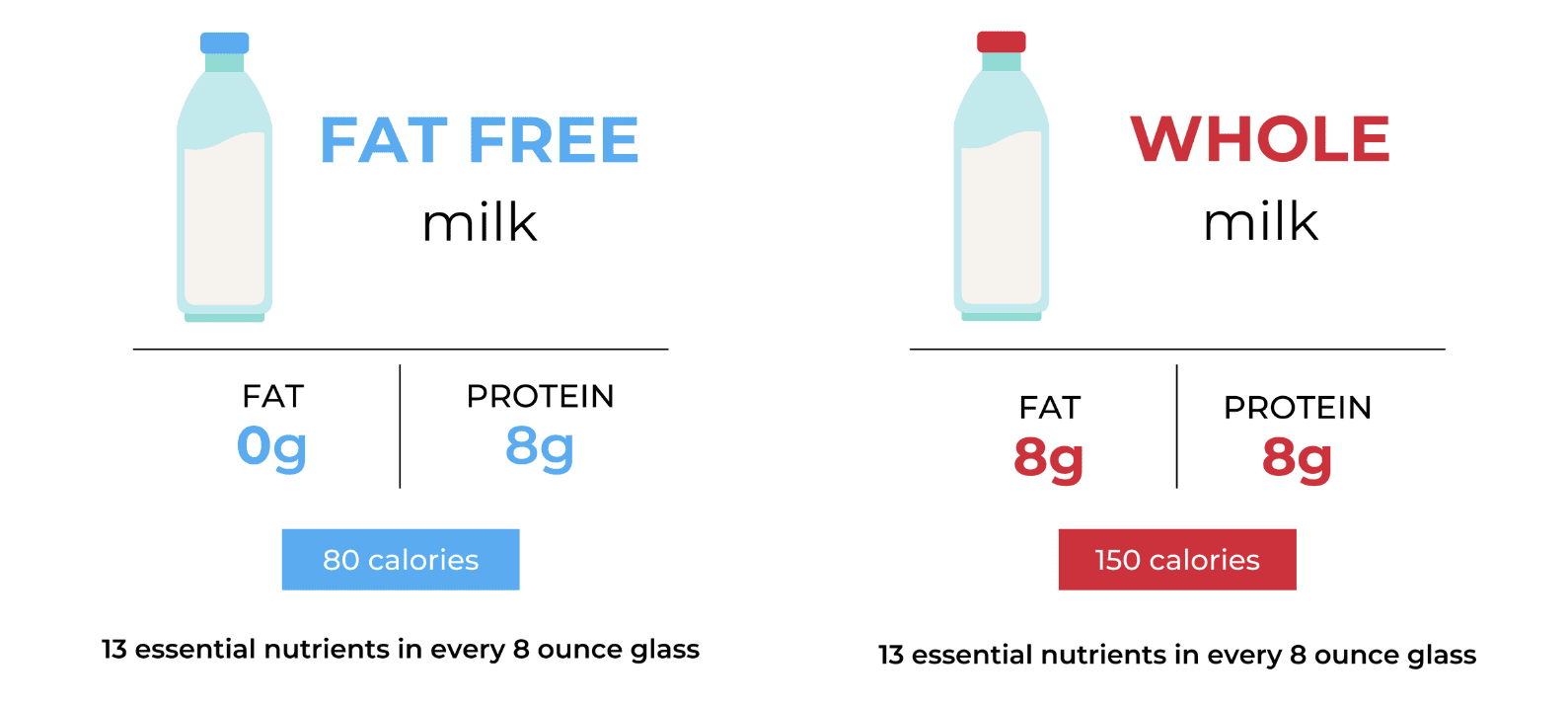
Whole milk is great for you because it has a lot of micronutrients, not just macronutrients. It has a lot of calcium, which is a mineral that is important for strong bones and teeth. Calcium and phosphorus work together to support the structure of bones and the production of energy in cells. Magnesium helps muscles and nerves work, even though there isn’t much of it.
There are also a lot of important vitamins in whole milk. Vitamin A helps keep your skin healthy, your vision clear, and your immune system strong. Vitamin D, which is often added through fortification, helps the body absorb calcium and build bone minerals. Riboflavin and vitamin B12 are two B vitamins that are very important for making red blood cells and breaking down energy. These nutrients work together to make whole milk good for people of all ages.
Table 2: Important Vitamins and Minerals in 1 Cup of Whole Milk
| Nutrient | Approximate Amount |
|---|---|
| Calcium | 300 mg |
| Phosphorus | 230 mg |
| Vitamin A | 150 mcg |
| Vitamin D | 2.5 mcg |
| Vitamin B12 | 1.1 mcg |
| Riboflavin | 0.3 mg |
These micronutrients are very important for meeting daily nutritional needs, which shows how important whole milk nutrition is.
Whole Milk Nutrition’s Role in Bone Health
One of the most well-known benefits of drinking milk is that it is good for your bones. Whole milk is good for bones because it has calcium, phosphorus, vitamin D, and protein in it. These nutrients are very important for getting the most bone mass during childhood and adolescence. In adults, they help slow down the loss of bone and lower the chance of breaking bones.
Whole milk may be good for your bones because it has fat in it, which may help your body absorb fat-soluble vitamins like vitamin D. Protein also helps by giving the building blocks for making bone matrix. These parts work together to make whole milk a great way to support your bones for life.
Nutrition in Whole Milk and Muscle Growth

The quality of protein is very important for building and repairing muscle. Whole milk has both casein and whey proteins, and each one has its own set of benefits. Whey protein is quickly absorbed, so it’s good for repairing muscles after exercise. Casein takes longer to digest, which means that amino acids are released steadily over time.
This dual protein profile helps muscles make new protein and recover. Athletes and people who are physically active often drink whole milk after working out because it has a natural balance of protein and carbs. The carbs in whole milk help restore energy stores, and the protein helps repair muscles. This shows how useful whole milk nutrition can be.
How Whole Milk Nutrition Affects Weight Control
People who are trying to lose weight have sometimes avoided whole milk because it has a lot of fat. But studies and observations of people’s diets show that whole milk nutrition may help with healthy weight management when eaten in moderation. The fat and protein in the food make people feel full for longer, which may help them eat fewer calories overall.
Whole milk is more like its natural state than highly processed low-fat products that may have added sugars. When it comes to whole milk nutrition, quality and balance are more important than restriction. Whole milk can help people eat in a way that is good for the environment without making them gain weight if it is part of a balanced diet.
Whole Milk Nutrition and Heart Health
People have talked a lot about how whole milk nutrition affects heart health. Whole milk has saturated fat in it, which has been linked to a higher risk of heart disease in the past. But modern views focus on overall dietary patterns instead of single foods. Whole milk also has good fatty acids and bioactive compounds that might not hurt or even help heart health.
Whole milk has calcium and potassium that help keep blood pressure in check. Also, switching from refined carbs to nutrient-dense foods like whole milk may help your metabolism. When thinking about how whole milk affects heart health, moderation and context are still important.
Nutrition for Kids and Teens Who Drink Whole Milk
Because they are growing and developing, kids and teens need more nutrients. Whole milk nutrition gives you the energy, protein, and vitamins you need during these times. The fat content helps the brain grow, especially in early childhood when dietary fat is very important for neurological growth.
Whole milk also helps you get the calcium and vitamin D you need every day, which helps your bones and teeth stay strong. Whole milk nutrition is a simple and effective way for people who are growing and don’t have any specific medical conditions to get the nutrients they need.
Whole Milk Nutrition in the Diets of Adults

As adults, the focus of their diets changes to maintaining health and preventing disease. Whole milk nutrition is still important because it has high-quality protein, calcium, and vitamins that help with muscle mass, bone density, and metabolic health. Whole milk may help adults who exercise regularly recover and keep their energy levels up.
People who can digest lactose can include whole milk in a wide range of diets, such as traditional, vegetarian, and balanced eating styles. You can drink it, cook with it, or add it to recipes without losing any of its nutrients.
Things to Think About When it Comes to Lactose and Digestion
Some people have trouble digesting lactose, which is a natural sugar found in milk. Lactose, which gives you energy and helps you absorb minerals, is in whole milk. If you are mildly lactose intolerant, drinking whole milk with meals may help you feel better because the fat in whole milk slows down digestion.
Some people can also handle lactose better if they eat fermented dairy products and eat them slowly. People can make better choices about whole milk nutrition based on their own tolerance instead of general assumptions if they know how it affects digestion.
Things People Get Wrong About Whole Milk Nutrition
There are a lot of myths about whole milk nutrition, and most of them are about the fat content. People often think that drinking whole milk will make them gain weight. In reality, changes in weight depend on how many calories you eat and how you live. Another myth is that low-fat milk is always better for you, even though fat helps you absorb nutrients and feel full.
When looking at the nutrition of whole milk, it should be done in the context of the whole diet. Taking out fat can lower the number of calories, but it can also make food taste worse, make you less satisfied, and make it harder for your body to absorb fat-soluble vitamins. Understanding these small differences helps clear up misunderstandings.
Nutrition and Cooking Uses for Whole Milk
People use whole milk a lot in cooking because it is rich and stable. Gentle cooking methods don’t change the nutrition in whole milk much, so it’s good for soups, sauces, and baked goods. The fat content adds to the flavor and texture, so recipes don’t need as many extra fats.
In terms of nutrition, whole milk can improve the overall quality of meals by giving them important nutrients in their natural form. This culinary flexibility adds to the usefulness of whole milk nutrition in daily life.
Cultural and Environmental Points of View
In many cultures, whole milk is a sign of hospitality and nourishment. People have liked whole milk for a long time, even before modern nutritional science came along. They used it for everything from traditional drinks to ceremonial purposes. Environmental concerns about dairy production are important, but whole milk is still an important food for many groups of people for both cultural and nutritional reasons.
Whole milk nutrition can still be a part of many different diets around the world when cultural traditions and sustainable practices are balanced.
Whole Milk vs. Other Types of Milk
Whole milk nutrition stands out when you compare different types of milk. Skim and low-fat milk take out or lower fat, which changes the taste and how well nutrients are absorbed. Plant-based alternatives may be good for some people, but they usually don’t have the same natural protein and micronutrient profile as whole milk unless they are fortified.
People can choose the option that best meets their nutritional needs and preferences by understanding these differences. Fortification is used by many alternatives to try to copy the balance of nutrients found in whole milk.
How to Add Whole Milk to a Healthy Diet
To include whole milk in a balanced diet, you need to be careful about how much you eat and make sure you eat a variety of foods. People can enjoy the health benefits of whole milk without eating too many calories if they only drink it in moderation. Adding whole grains or fruits, which are high in fiber, to whole milk can help make meals more balanced.
Using whole milk in meals instead of drinking a lot of it on its own may help with digestion and feeling full even more. These practical considerations help you get the most out of whole milk nutrition.
A Scientific look at Whole Milk Nutrition
The field of nutritional science is always changing, and views on dairy fat have changed over time. Recent studies focus more on the quality of food and eating habits than on individual nutrients. Whole milk nutrition fits well into this framework because it is made up of natural ingredients and is not processed much.
Researchers are still looking into how dairy fats affect metabolism, inflammation, and gut health. Although individual responses may differ, the nutritional aspects of whole milk continue to be a focus of scientific inquiry and significance.
Conclusion: The Importance of Whole Milk Nutrition
Whole milk nutrition is a mix of science, tradition, and common sense. It has the right amount of macronutrients and micronutrients to support growth, maintenance, and overall health at all stages of life. Whole milk is a natural and nutrient-rich option for people who can handle it, but it’s not right for everyone.
People can make smart food choices that focus on balance and satisfaction if they learn more about whole milk nutrition than old myths. Whole milk nutrition is still important in modern nutrition, as long as it is eaten in moderation and as part of a balanced diet.
Read More:- Comfort in a Bowl: The Story and Craft of a Classic Soup
