

:max_bytes(150000):strip_icc()/These-Are-the-Healthiest-Fast-Food-Breakfast-Sandwiches-According-to-an-RD-905c9978841442638ff3c7139ea14286.jpg?w=1068&resize=1068,0&ssl=1 "healthiest fast food")
Introduction
People have always thought of fast food as greasy, big portions, and too many calories. But in today’s fast-changing food culture, this idea is slowly changing. As people become more aware of nutrition, health, and balancing their lifestyles, both fast food chains and independent stores are changing to meet these new needs. This change has sparked a new discussion about the idea of the healthiest fast food and how convenience doesn’t have to mean giving up quality.
People today are busier than ever, often trying to balance work, family, and personal goals. Sometimes you have to eat quickly in a fast-paced world. The hard part isn’t staying away from fast food altogether; it’s figuring out how to do it wisely. It is possible to include fast food in a healthy lifestyle by being aware of healthier ingredients, balanced meal structures, and mindful eating habits.
This article talks about how the idea of “healthiest fast food” has changed over time, what makes a fast food meal healthy, and how people can make smart choices without giving up taste or convenience.
The Growth of Health Awareness and Fast Food
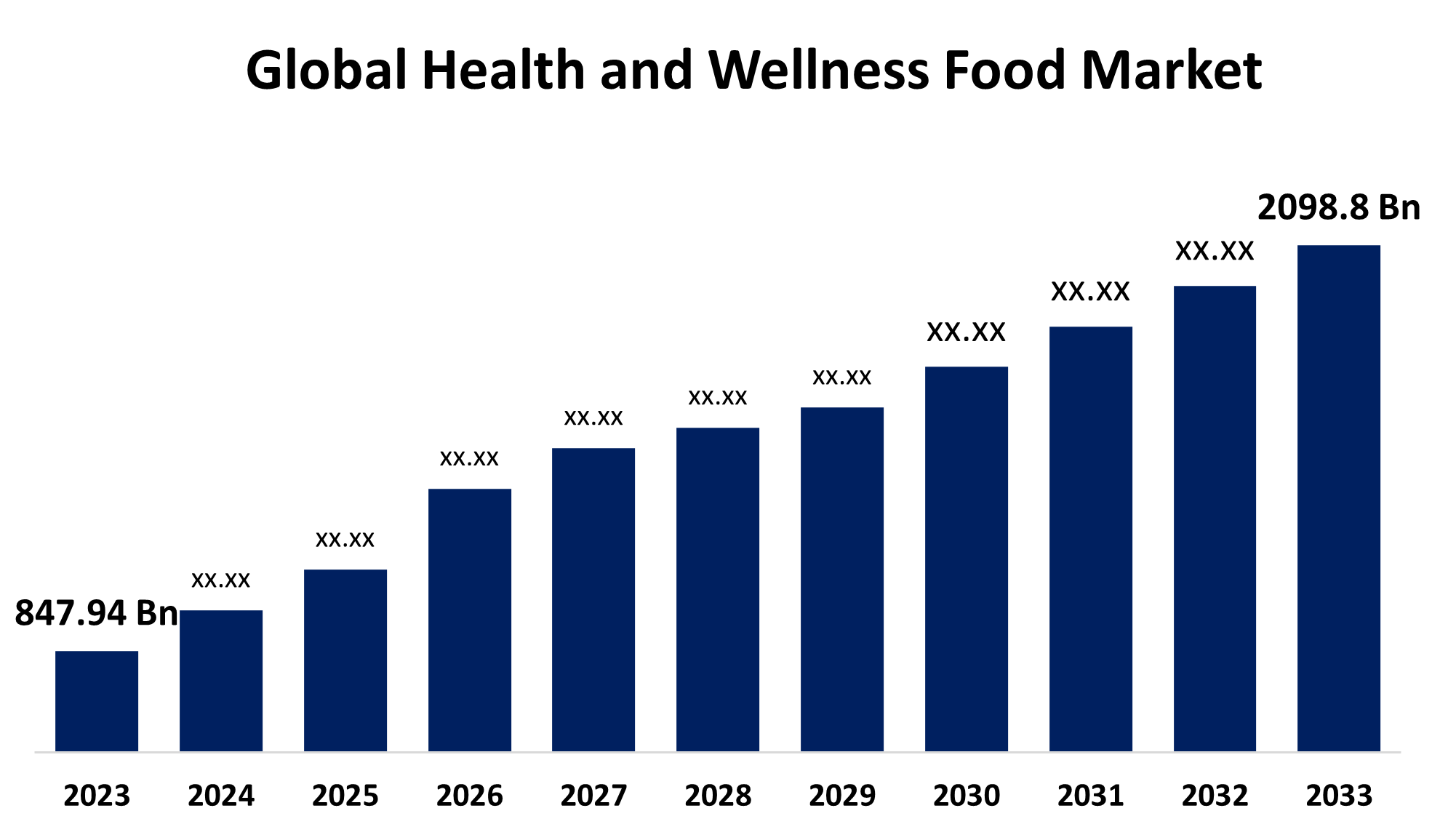
Fast food came about because it was quick and cheap. In the beginning, the main goals were speed, consistency, and cost, not nutrition. Meals were meant to be filling, tasty, and easy to make in large quantities. As time went on, this made menus full of fried foods, refined carbs, and sugary drinks.
As public health talks started to focus on the link between diet and long-term health problems, people’s expectations changed. People began to want more openness, fresher ingredients, and choices that fit with healthier ways of living. This demand made fast food companies rethink what they sell. Along with traditional menu items, salads, grilled proteins, whole grains, and plant-based alternatives started to show up.
People began to realize that nutrition is not black and white, which made the discussion about the healthiest fast food more interesting. Not every meal from a fast food restaurant is bad for you, and not every meal you make at home is good for you. The key is to know how to balance things, how big the portions should be, and how good the ingredients are.
What Makes Fast Food Healthy
To understand what the healthiest fast food is, we need to first figure out what “healthy” means in real life. A healthy fast food meal doesn’t have to be low in calories. It doesn’t have too much sugar, sodium, or unhealthy fats, but it does have a good mix of macronutrients, vitamins, and minerals.
Protein is very important because it helps keep muscles healthy and makes you feel full. Grilled chicken, fish, legumes, or plant-based proteins are better sources of lean protein than heavily processed or fried foods. Whole grains or vegetables are better sources of carbohydrates than refined white flour. When eaten in moderation, healthy fats from nuts, seeds, or natural oils can help you stay healthy.
Portion control is just as important. Even healthy foods can be bad for you if you eat too much of them. Health-conscious fast food places often stress serving sizes that are just right to fill you up without making you want to eat too much.
The Building Blocks of Better Fast Food Meals

Choosing the right ingredients is the first step to making fast food healthier. Whole foods that have been minimally processed keep more of their natural nutrients and tastes. Fresh vegetables add fiber, vitamins, and antioxidants, and whole grains give you energy that lasts.
How you cook is also very important. Grilling, baking, roasting, or steaming food keeps nutrients in and cuts down on the need for extra fats. Deep frying, on the other hand, makes food more calorie-dense and adds trans fats, which can be bad for heart health.
Pay special attention to sauces and dressings. They make food taste better, but they are also often hidden sources of sugar and salt. You can make a big difference without losing enjoyment by choosing lighter sauces or using less of them.
The choices you make about hydration also affect the quality of your meals. Sugary soft drinks are not as good for your health as water, unsweetened teas, or drinks with natural flavors.
Table One: Common Fast Food Ingredients and How They Affect Your Health
| Ingredient Type | Typical Use in Fast Food | Health Impact |
|---|---|---|
| Refined Grains | Burger buns, wraps | Provide quick energy but low fiber |
| Whole Grains | Brown rice, whole-grain buns | Improve digestion and fullness |
| Fried Proteins | Breaded chicken, fish | Higher fat and calorie content |
| Grilled Proteins | Chicken breast, tofu | Leaner and more nutrient-dense |
| Sugary Sauces | Ketchup, sweet glazes | Increase sugar and sodium intake |
| Vegetable Toppings | Lettuce, tomatoes, onions | Add vitamins, minerals, and fiber |
This comparison shows how small changes to the ingredients can have a big effect on the nutritional value of a meal. When people know these differences, they can make choices that fit with the idea of healthiest fast food.
The Importance of Knowing How Much Food You Eat in Fast Food
One of the most common problems with eating fast food is getting the portions wrong. People have slowly gotten used to bigger portions over the years, often without even realizing it. Even when the ingredients are fairly healthy, big meals can give the body more calories than it needs in one sitting.
Mindful eating helps people pay attention to their hunger signals and know when they are full. Instead of ordering larger meals, you can stop yourself from overeating by choosing regular-sized meals. Some fast food places now let customers choose how much food they want or get half portions.
Another useful tip is to share meals or save some of a meal for later. These habits fit well with the healthiest fast food philosophy, which focuses on moderation instead of restriction.
Fast Food and Special Dietary Needs
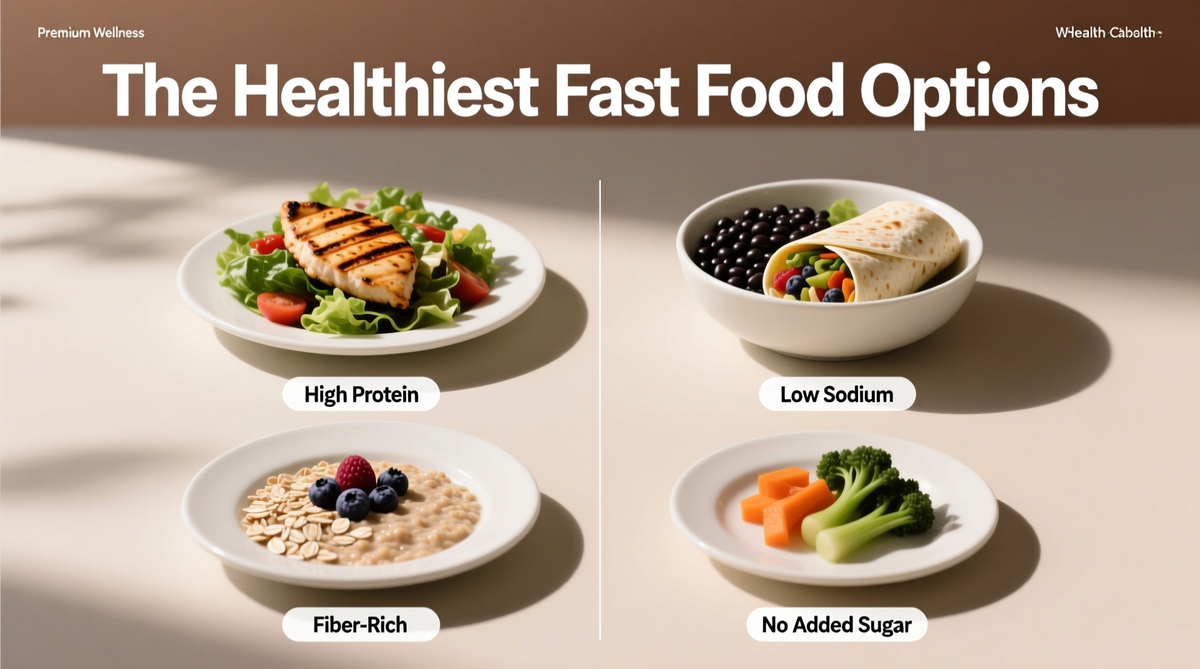
One of the best things about fast food culture is that it is becoming more accommodating of different dietary needs and preferences. There are now more vegetarian, vegan, gluten-free, and low-carb options than ever before.
When made with care, plant-based fast food can be very good for your health. Legumes, whole grains, and vegetables are good sources of fiber and important micronutrients. However, it’s important to remember that not all plant-based fast food is healthy by nature, since some items may still be very processed.
For people with certain health problems, it is very important to know what is in the food. A lot of fast food places now show nutritional information, which makes it easier to make choices that are good for your health.
Changes in Culture and the Responsibility of Consumers
The growth of healthier fast food is a sign of a bigger cultural change toward health and self-care. People no longer just accept what is offered to them. Instead, they look for information and think about what they eat.
This process is very important for education. People who know the basics of nutrition can confidently choose what to eat on a menu. Instead of seeing fast food as a treat every now and then, it can be seen as one of many foods that make up a person’s overall diet.
Being responsible for yourself doesn’t mean being perfect. It means making smart choices most of the time and not feeling bad about having some freedom.
Table Two: Parts of a Balanced Fast Food Meal
| Meal Component | Recommended Choice | Nutritional Benefit |
|---|---|---|
| Protein Source | Grilled chicken or beans | Supports muscle and satiety |
| Carbohydrate | Whole-grain bread or rice | Provides steady energy |
| Vegetables | Mixed greens or roasted vegetables | Boosts fiber and vitamins |
| Fat Source | Olive oil-based dressing | Enhances nutrient absorption |
| Beverage | Water or unsweetened tea | Maintains hydration |
This table shows how putting together smart parts can make a meal that is healthy fast food.
The Mental Side of Choosing Fast Food
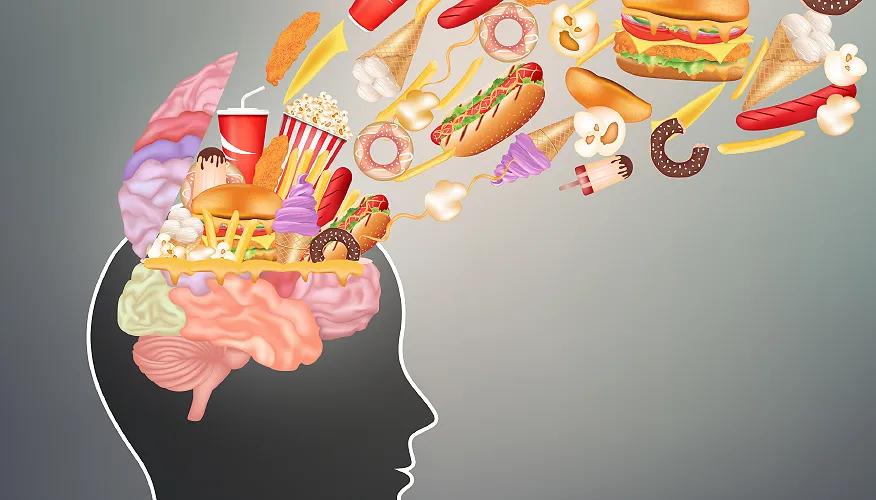
People choose what to eat based on more than just hunger. They also think about their feelings, habits, and how easy it is to get. People often think of fast food as a comfort food, which can make it even more appealing when things are tough.
People can stop and think about their choices more carefully when they know they are eating for emotional reasons. Choosing healthier fast food options doesn’t mean you have to give up pleasure. When meals are carefully planned, flavor, texture, and satisfaction can all be present with nutrition.
Food enjoyment is an important part of being healthy. People are less likely to overeat or look for more snacks later when they feel full.
The Future of Fast Food That Is Good for You
The fast food business keeps changing to meet the needs of its customers. The future is being shaped by new ideas in food technology, environmentally friendly sourcing, and customizing menus. The line between fast food and casual dining is becoming less clear as more people become aware.
The idea of “healthiest fast food” will probably grow even more, including using local ingredients, changing menus with the seasons, and being more environmentally friendly. These changes are good for people’s health as well as the health of society and the environment as a whole.
As more people want to live balanced lives, fast food will keep changing to stay relevant and competitive.
Adding Fast Food to a Healthy Lifestyle
The main goal is not to put foods into strict categories of good and bad. Instead, it’s about knowing the context, how often you eat, and your overall eating habits. Fast food can be eaten along with home-cooked meals, traditional dishes, and foods that people like.
Making plans ahead of time can make a big difference. Knowing which options fit with your health goals helps you make better choices. These little choices add up to big habits over time.
People can enjoy convenience without hurting their long-term health if they are open to change and aware of their surroundings.
Conclusion: Rethinking Nutrition and Convenience
Fast food is no longer just about excess and indulgence. It has become a varied place where making smart choices is getting easier. The idea of “healthiest fast food” promotes a balanced view that takes into account both modern lifestyles and nutritional needs.
Fast food can be a useful part of everyday eating if you know what you’re eating, control your portions, and make conscious choices. The industry will keep changing to meet these needs as long as customers keep asking for better choices.
When we redefine fast food, we go from limiting to empowering. This shows that even on the busiest days, food and convenience can go together.
Read More:- Christmas Brunch Ideas for a Cozy, Festive Holiday Morning
:max_bytes(150000):strip_icc()/These-Are-the-Healthiest-Fast-Food-Breakfast-Sandwiches-According-to-an-RD-905c9978841442638ff3c7139ea14286.jpg?w=1200&resize=1200,0&ssl=1&description=Discover how healthiest fast food options fit into modern diets, exploring nutrition, smart ordering strategies, and balanced choices for everyday convenience.)