


Introduction
Condensed milk is one of the few foods that has moved easily between cultures, kitchens, and generations. It is a common ingredient in desserts, drinks, and traditional recipes all around the world since it is very sweet, lasts a long time, and has a unique texture. It may look simple in a can, but there is a surprisingly complicated narrative behind how it is created, why it lasts so long, and why it tastes the way it does. This article goes into great detail on condensed milk, including where it comes from, how it is made, its nutritional value, its role in cooking, its cultural significance, and modern views on it.
What is Milk that Has Been Condensed
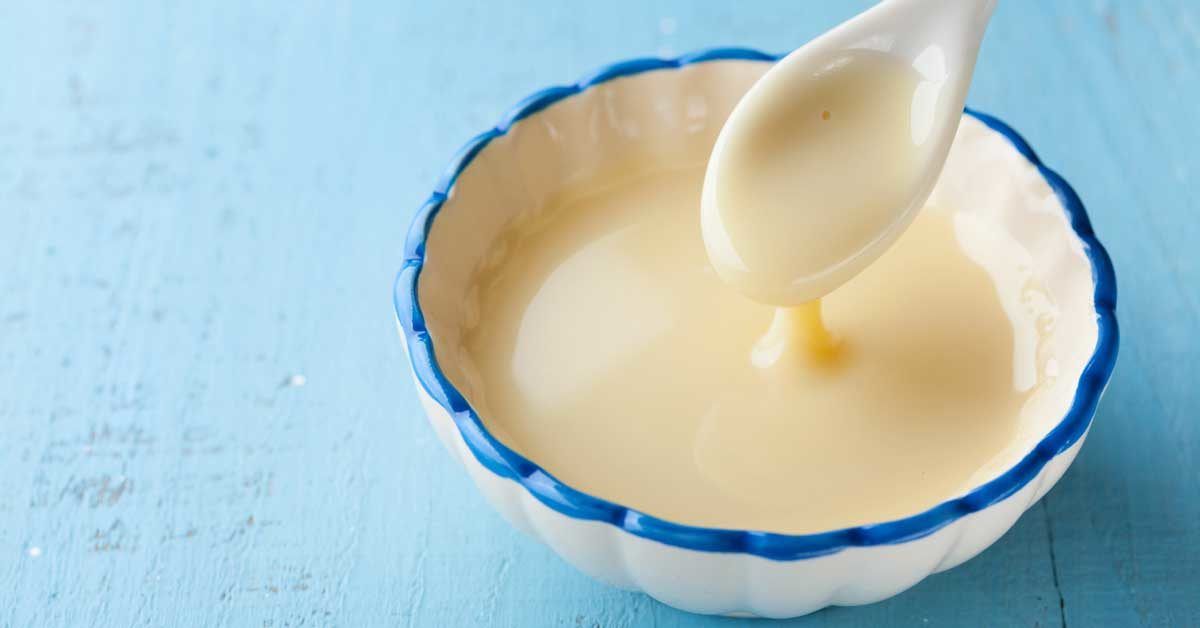
When you take a lot of water out of fresh cow’s milk and add sugar, you get condensed milk. Taking out the water makes the natural milk solids more concentrated, and the sugar makes the milk taste better and keeps it fresh. The end product is a thick, creamy liquid that is light caramel in color and has a taste that is quite sweet and a little cooked.
This method makes condensed milk last much longer than fresh milk, even if you don’t put it in the fridge before you open it. Its thickness, taste, and stability make it different from other milk products. It is especially good for cooking and baking when you want a controlled amount of richness and sweetness.
The Origins of Condensed Milk in History
Before refrigerators were common, it was hard to keep fresh milk fresh. This is directly related to the development of condensed milk. In the early 1800s, milk went bad rapidly when it was moved, especially in warm places or on lengthy trips. Because of this difficulty, food manufacturers have to find ways to make milk last longer.
The big step forward came when producers figured out how to evaporate milk at lower pressures, which let them extract water at lower temperatures. This approach kept the milk from scorching too much while concentrating it. Adding sugar helped keep the product stable by stopping the growth of microbes. By the middle of the 1800s, canned condensed milk was being made on a large scale, and it immediately became popular with travelers, sailors, and soldiers.
It became a trusted food supply since it was easy to find and reliable during wars and explorations. Over time, families used it not only to store things but also because of its peculiar taste, which led to the creation of new types of drinks and pastries.
How to Make Condensed Milk
Before making condensed milk, fresh milk is rigorously analyzed to make sure it is safe and of good quality. To get rid of hazardous microorganisms, this milk is first pasteurized. The milk is put into big vacuum evaporators once it has been pasteurized. The pressure inside these chambers is lower, which lets water evaporate at temperatures lower than boiling.
The milk gets thicker and more concentrated as the water is taken out. Adding sugar in a certain amount is done at a certain point. Then, the liquid is heated gradually to dissolve the sugar uniformly and get the right consistency. The product is chilled and put into sterilized containers after it reaches the right thickness and sweetness.
This controlled procedure makes sure that each batch is the same, which is why condensed milk has a consistent texture, flavor, and shelf life. It’s important to find the right balance between adding sugar and letting it evaporate, since even tiny changes can change the taste, thickness, and shelf life.
Nutrition and Energy Value

Because it has less water and more sugar, condensed milk is high in energy. It still has a lot of the minerals that are naturally found in milk, such calcium and protein, but they are supplied in a more concentrated form. The sugar content is much higher than in fresh milk, though.
The table below gives a rough idea of the nutritional values of a standard serving of sweetened condensed milk. Depending on the brand and formulation, the real values may be a little different.
| Nutrient | Approximate Amount per 100 g |
|---|---|
| Energy | 321 kcal |
| Protein | 7.9 g |
| Fat | 8.7 g |
| Carbohydrates | 54 g |
| Calcium | 284 mg |
This nutritional profile shows why people don’t use a lot of condensed milk. It adds sweetness and richness, so you don’t need to use as much of it as you would with ordinary milk.
Condensed Milk Compared to Other Dairy Products
Knowing how condensed milk is different from other dairy products will help you avoid making mistakes when cooking and baking. People often think that evaporated milk and this milk are the same thing, although they aren’t in most recipes. Evaporated milk has had the water taken out, but it doesn’t have any more sugar, so it tastes less sweet and is thinner.
Cream, on the other hand, is distinguished by how much fat it has, not how much water it has. Powdered milk takes all the water out of milk, making it a solid. Each food has a different use in the kitchen and reacts differently when heated or blended with other foods.
The table below shows the main distinctions between these common dairy products.
| Product | Sugar Added | Texture | Typical Use |
|---|---|---|---|
| Condensed milk | Yes | Thick and syrupy | Desserts, sweets, beverages |
| Evaporated milk | No | Lightly thick | Sauces, soups, baking |
| Fresh milk | No | Liquid | Drinking, cooking |
| Cream | No | Rich and smooth | Whipping, sauces |
These differences are quite important in recipes because using one instead of the other without making changes might change the taste and texture a lot.
Uses in Cooking Across the World

Condensed milk is used in cooking all over the world, and it often becomes strongly linked to local food customs. In a lot of Asian nations, people mix it into tea or coffee to make them sweeter and thicker. of Latin America, it is the main ingredient of popular desserts such puddings made with milk and sweets that have been caramelized. In some regions of Europe, it is used to make cakes and pastries richer.
The fact that condensed milk can easily mix with both hot and cold dishes is what makes it so useful. Its sugar dissolves readily, and its thickness makes it creamy without adding more fat. This is why it’s so popular in quick recipes and desserts that don’t need to be baked.
It may be balanced with acidic or bitter foods, like citrus or coffee, even though it is sweet. This makes for nuanced and pleasant flavor combinations that have endured the test of time.
Cultural Importance and Emotional Link
Condensed milk means a lot to a lot of people, not just because it is useful in cooking and baking. It stood for durability and comfort in places where refrigerators weren’t common. Families used it for regular tea, celebratory sweets, and special goodies made for celebrations.
For a lot of people, the flavor of condensed milk brings back memories of childhood, handmade pastries, and times spent with friends. This emotional link has helped keep it popular, even if fresh dairy products are now easier to find.
It is also a link between generations because it is in traditional recipes. It keeps culinary legacy and regional identity alive through familiar tastes and textures.
Safety, Shelf Life, and Storage

One thing that makes condensed milk stand out is that it lasts a long time. If you keep unopened cans in a cool, dry place, they can usually be stored at room temperature for months or even years. The high sugar content stops bacteria from growing, so you don’t need to refrigerate it before opening.
After opening, condensed milk should be put in a clean, airtight container and kept in the fridge. To keep it fresh and avoid contamination, it’s better to use it within a few days. Changes in color, smell, or texture can mean that something has gone bad, so don’t overlook them.
If you store condensed milk properly, it will stay safe and tasty, with its unique sweetness and consistency until the last spoonful.
New Ideas About Health and Moderation
People today typically think of condensed milk as a luxury instead of a food that should be eaten every day. Because it has a lot of sugar, people who are trying to control their blood sugar levels or their overall calorie intake should only eat it in small amounts.
It also has some nutritional benefits that come from milk, like calcium and protein. When used wisely, it can be part of a healthy diet, especially in modest amounts that add taste without making food too sweet.
Many new recipes now call for using condensed milk only a little bit and mixing it with fruits, whole grains, or nuts to make desserts that are both rich and healthy.
Changes and New Ideas
Food companies have changed the way they make condensed milk to meet the needs of customers. Some of these are lower-sugar versions, plant-based options derived from coconut or other non-dairy sources, and flavored options made for certain desserts or drinks.
These new ideas provide people more options, but the traditional form is still the standard by which all modifications are judged. Its unique taste and texture still inspire both professional and home cooks.
Conclusion
Condensed milk is still popular today because it is both useful and enjoyable. It keeps milk fresh and has a taste that is both cozy and luxurious. Not many things can be both useful and emotionally powerful at the same time.
Condensed milk has been quite versatile since it was first made in the 1800s and continues to be so now. It works well in both old and new recipes, staying relevant across cultures and generations.
Condensed milk is more than just a sweetened dairy product in the end. It represents culinary creativity, cultural interchange, and the simple pleasure of turning milk and sugar into something that tastes good forever.
Read More:- Skim Milk Nutrition Explained: Benefits, Facts, and Daily Uses