

:max_bytes(150000):strip_icc()/Simply-Recipes-Best-French-Toast-LEAD-5-9f0a042bdcb14a5fb526e0f772663877.jpg?w=1068&resize=1068,0&ssl=1 "french toast recipe")
Introduction
French toast is a popular morning food around the world because of its soft custard-like middle, golden crust, and soothing aroma. This dish has an unparalleled power to transform basic ingredients into something genuinely memorable, whether it is served as a special family breakfast or as a weekend indulgence. This page provides a thorough analysis of the french toast recipe, including its history, key components, methods of preparation, variants, cultural importance, and professional tricks that turn it from a commonplace dish to something truly remarkable.
The History and Origins of French Toast
Despite what its name implies, the history of french toast extends well beyond France. Cooks in ancient Rome would dip bread in milk and eggs before frying it, a practice that is similar to soaked bread cooked in oil today. The idea was useful; it was intended to stop food waste by bringing stale bread back to life. This concept spread throughout Europe over several centuries and had numerous regional modifications.
Similar dishes were referred to in medieval Europe as “pain perdu,” or lost bread, which emphasized the idea of saving bread that had gone bad. French toast was a meal that was brought to North America by European settlers who brought their culinary traditions with them across the Atlantic. It is still a fundamental morning food today, consumed in a variety of ways all across the world.
The Reason French Toast Is Always In Style
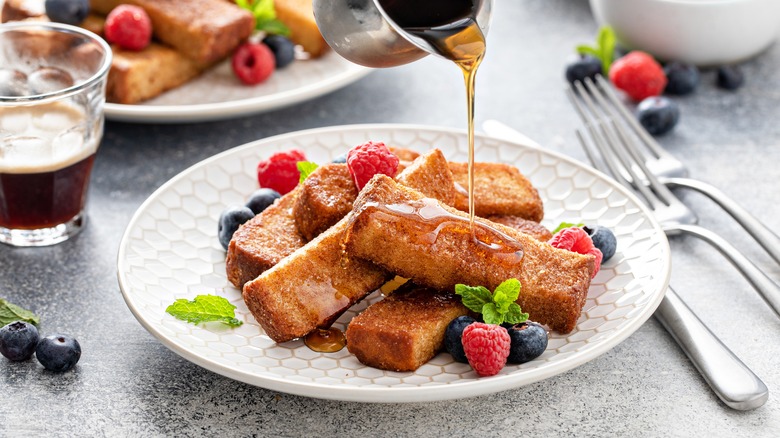
French toast’s ongoing appeal stems from its versatility and ease of preparation. It offers a harmony of warmth and richness that is suitable for all ages with just a few basic ingredients from the cupboard. Depending on the cook, it might be low-key or high-key, sweet or mildly salty. The adaptability of the french toast recipe allows it to maintain its cozy essence while accommodating shifting dietary requirements, tastes, and cultural influences.
Important Components Described
Fundamentally, french toast is made with a few simple ingredients, each of which is essential to its flavor and texture. The bread acts as the base, absorbing the custard mixture and giving the dish its structure. In addition to adding richness, eggs aid in binding the liquid to the bread, giving it a creamy inside when baked. When cooking, sugar gives sweetness and promotes caramelization, while milk or cream adds moisture and softness. Warmth and a deeper scent are added by spices like vanilla and cinnamon.
The final product is greatly influenced by the quantity and quality of these elements. To master any french toast recipe, you must understand how each ingredient contributes to the dish.
Selecting the Proper Bread
When creating french toast, choosing the right bread is one of the most crucial choices. Because it absorbs the custard without crumbling, thick-cut bread with a firm texture is best. Since it can absorb more liquid without losing its shape, somewhat stale bread works even better. Popular options include sourdough, challah, and brioche, each of which offers a unique ratio of texture to richness.
The bread’s thickness is important as well. While slices that are too thick may stay dry in the middle, slices that are too thin may get soggy. A nice mouthfeel and consistent cooking are guaranteed when the proper proportion is reached.
Comprehending the Custard Combination
The main ingredient, the custard mixture, turns ordinary bread into an opulent morning meal. The base is made of eggs and milk, but the texture is determined by their ratio. More milk produces a softer, creamier bite, while more eggs produce a firmer, richer interior. Spices and sweeteners add taste without dominating the bread.
In order to achieve a creamy core without making the bread too moist, a well-balanced custard should cover it evenly and penetrate just enough. One of the hallmarks of a good french toast recipe is this balance.
Preparation Methods That Are Important
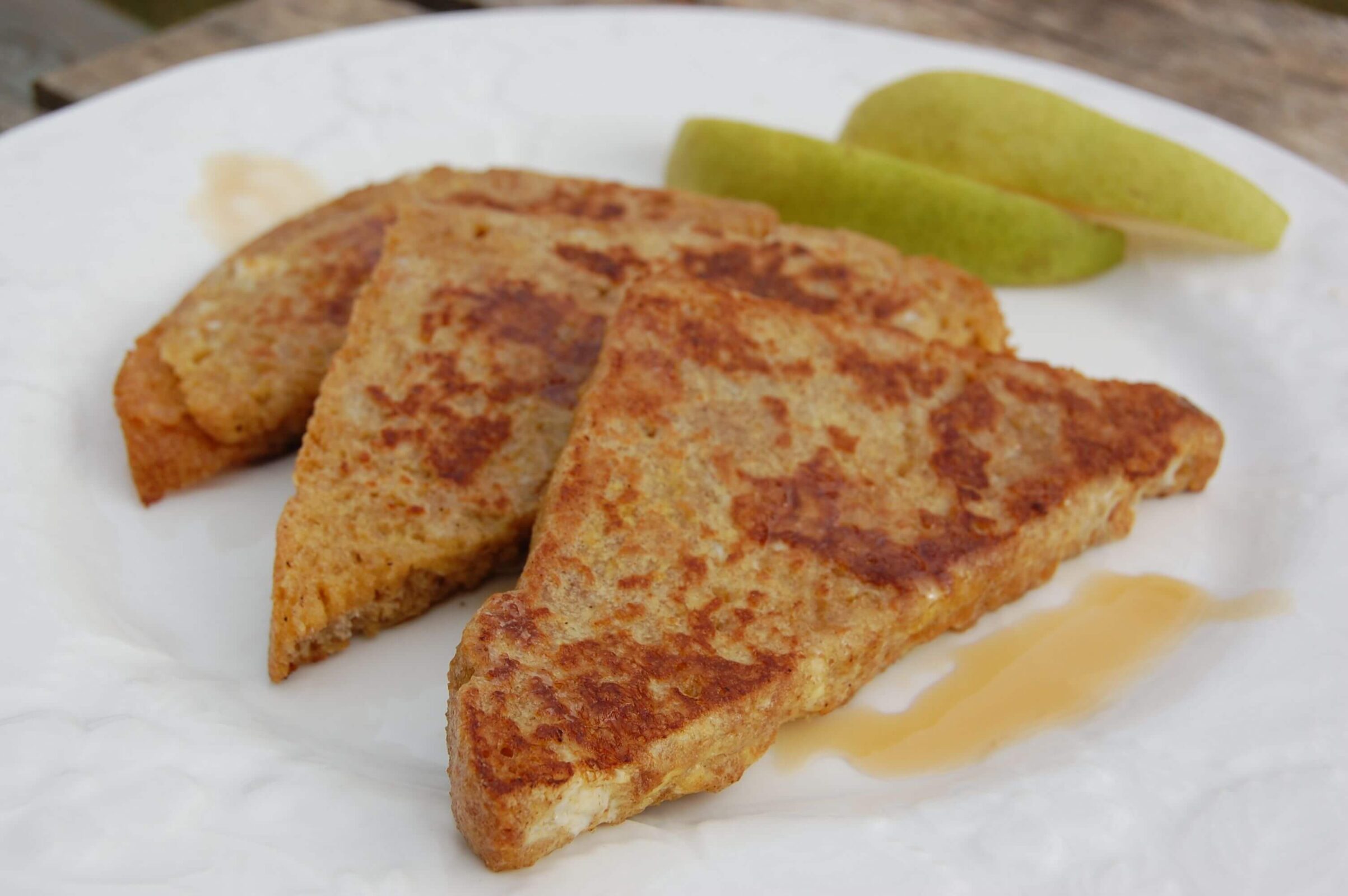
French toast results are greatly influenced by preparation. To ensure that the eggs and flavorings are distributed evenly, carefully whisk the custard. Soaking the bread for a short time allows it to absorb the substance without getting soggy. Equally crucial is the cooking temperature; medium heat enables the toast to cook through and get brown on the outside.
Taste and texture can be compromised if any stage is rushed. A dish that is both aesthetically pleasing and pleasurable to eat is the product of diligent preparation.
Traditional French Toast Preparation Technique
In the classic procedure, bread slices are soaked in the custard mixture and then cooked till golden brown on both sides in a skillet that has been lightly oiled. Butter is frequently used because of its rich flavor, however burning can be avoided by combining butter with oil. To preserve its structure and guarantee uniform browning, carefully flip the bread.
Cooking with patience enables the custard to set completely, resulting in a soft inside that contrasts exquisitely with the crisp outside. This technique is the basis for almost all variations of the french toast dish.
Variations in Flavor and Ingenious Twists
You can experiment a lot with French toast. Without affecting the dish’s core qualities, subtle flavor adjustments can change it. While nutmeg adds warmth, citrus zest brightens the custard. You can add a little flavored syrup to the custard or use cream in instead of milk for a deeper flavor.
Seasonal foods and local preferences are frequently reflected in creative variations. These modifications highlight the french toast recipe’s adaptability and capacity to change without losing its familiarity.
Savory and Sweet Interpretations
Although savory versions of french toast are just as appealing, the dish is typically paired with sugary toppings. This meal goes well with savory accompaniments when the custard’s sweetness is reduced and herbs or spices are added. You can add cheese, veggies, or cured meats to the toast without overpowering it.
This harmony of sweet and savory flavors emphasizes how versatile french toast is and explains why it still appeals to a wide range of palates.
Table 1: Roles of Ingredients and Their Impacts
| Ingredient | Primary Function | Impact on Final Texture |
|---|---|---|
| Bread | Structural base | Determines absorption and firmness |
| Eggs | Binding agent | Creates custard-like interior |
| Milk or Cream | Moisture and softness | Influences creaminess |
| Sugar | Sweetness and browning | Enhances caramelization |
| Spices | Flavor enhancement | Adds warmth and aroma |
Global Cultural Differences

The idea of soaked and fried bread has been embraced by many civilizations, who have modified it to suit their own preferences. Some areas offer it with honey and fruit, while others like it with little to no sweetness. While expressing distinct culinary identities, these variations have a shared core.
The fact that French toast-like foods can be found all over the world emphasizes how universally appealing it is and how straightforward its basic idea is.
Considerations for Nutrition
Depending on how it’s prepared, French toast can be both decadent and well-balanced. Reducing additional sugar reduces overall sweetness, while using whole-grain bread boosts fiber content. Nutritional value is further influenced by toppings and portion sizes.
Home chefs can modify a french toast dish to suit their dietary requirements without compromising flavor by being aware of these aspects.
Table 2: Overview of Nutrition by Serving
| Component | Approximate Amount | Contribution |
|---|---|---|
| Calories | Moderate | Energy for the day |
| Protein | Moderate | Supports satiety |
| Carbohydrates | Moderate to High | Primary energy source |
| Fats | Variable | Enhances flavor and texture |
| Fiber | Low to Moderate | Depends on bread choice |
Typical Errors and Their Prevention
Soaking bread for an extended period of time might lead to a soggy texture. Another is using excessive heat during cooking, which can cause the outside to burn before the inside solidifies. Uneven browning and sticking might result from using too little fat in the pan.
Practice and attention to detail are necessary to avoid these errors. Any french toast recipe will be consistently successful if the fundamentals are mastered.
Presenting and Serving
French toast is made more enjoyable by its presentation. Texture and flavor are preserved by serving slices warm and nicely arranged. Uncomplicated decorations can enhance the dish’s appearance without overpowering it.
The best contrast between the crisp outside and the soft within is achieved when french toast is served right away after cooking.
The Social Dish of French Toast
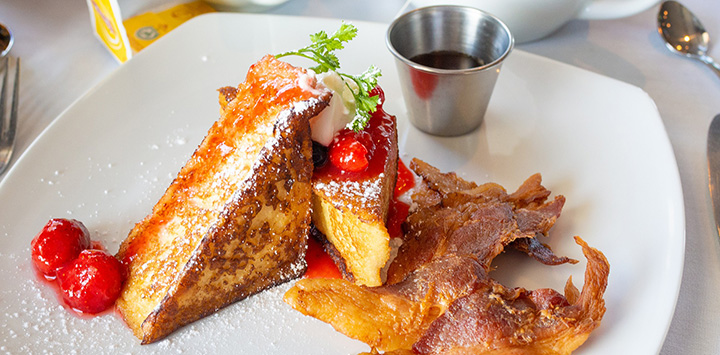
Family breakfasts, holidays, and special times are all connected to French toast, which frequently has sentimental value. It is perfect for get-togethers and leisurely meals because of its cozy qualities.
A french toast recipe can be prepared and shared, and it can become a custom that is modified over time and passed down through the generations.
Conclusion
French toast is more about knowing balance than it is about following rigid standards. A dish that is both nostalgic and sophisticated is produced when ingredients, technique, and timing are all in harmony. Its ability to combine comfort and inventiveness on one plate is what makes the french toast recipe so timeless.
Anyone can turn basic ingredients into a delightful breakfast experience that appeals to people of all ages and cultures with practice and careful preparation.
With practice and thoughtful preparation, anyone can transform simple ingredients into a memorable breakfast experience that continues to delight across cultures and generations.
Read More:- Whole Milk vs 2 Percent: Nutrition, Taste, Health, and Uses
:max_bytes(150000):strip_icc()/Simply-Recipes-Best-French-Toast-LEAD-5-9f0a042bdcb14a5fb526e0f772663877.jpg?w=1200&resize=1200,0&ssl=1&description=This detailed french toast recipe guide explores history, ingredients, methods, variations, nutrition, and expert tips to master perfect homemade french toast.)