


Introduction
Eggs have long been a staple food across cultures, valued for their versatility, affordability, and nutritional density. Among the many ways eggs can be prepared, over easy eggs stand out for their balance between texture and flavor. They are gently cooked, flipped once, and served with a yolk that remains runny while the whites are fully set. This unique combination creates a satisfying experience that appeals to people who enjoy rich taste without excessive heaviness.
Over easy eggs are often associated with traditional breakfasts, but their appeal extends beyond the morning meal. They can be served with toast, vegetables, rice, or even incorporated into modern fusion dishes. Understanding what makes over easy eggs special helps highlight why they continue to be favored despite changing food trends.
What Are Over Easy Eggs
Over easy eggs are a style of fried eggs cooked on one side, flipped carefully, and cooked briefly on the other side. The goal is to set the whites completely while keeping the yolk warm, soft, and flowing. Unlike sunny-side-up eggs, which are not flipped, over easy eggs receive heat on both sides, giving them a slightly firmer structure without losing the creamy yolk.
The term “easy” refers to the doneness of the yolk. In over easy eggs, the yolk remains runny, unlike over medium or over hard eggs, where the yolk becomes progressively firmer. This delicate balance requires attention during cooking, making it a technique-driven method rather than a rushed one.
The History and Cultural Presence of Fried Eggs
Fried eggs have been prepared for centuries, evolving alongside cookware and cooking fats. As kitchens transitioned from open fires to stovetops, frying became more controlled, allowing for variations such as over easy eggs. This method became especially popular in diners and home kitchens because it delivers both visual appeal and comforting flavor.
In many cultures, runny-yolk eggs symbolize freshness and indulgence. Over easy eggs found a firm place in breakfast culture, particularly in regions where eggs are paired with bread, potatoes, or grains. Over time, they became a standard option on menus, offering diners a choice in yolk texture.
How Over Easy Eggs Are Cooked
Cooking over easy eggs begins with a heated pan and a small amount of fat such as butter or oil. The egg is cracked into the pan and allowed to cook until the whites turn opaque and firm. At this point, the egg is gently flipped and cooked for only a few seconds more.
Timing is crucial when making over easy eggs. Too little heat results in unset whites, while too much heat can overcook the yolk. The flipping motion must be controlled to avoid breaking the yolk. Mastery of this technique often comes with practice and patience.
Texture and Flavor Profile
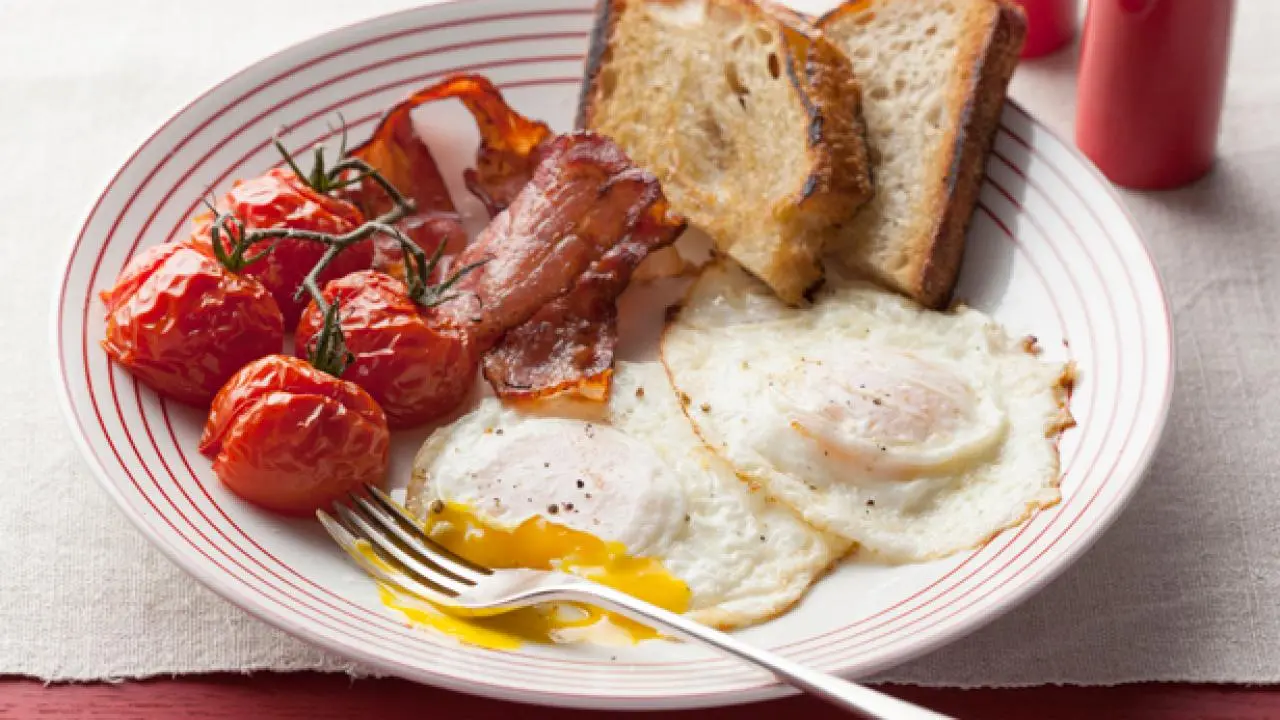
The defining characteristic of over easy eggs is their contrast in texture. The whites provide structure and mild flavor, while the yolk delivers richness and moisture. When cut open, the yolk flows gently, creating a natural sauce that enhances whatever accompanies the egg.
Flavor-wise, over easy eggs are subtle yet satisfying. The cooking fat contributes depth, while seasoning can be kept minimal to let the natural taste of the egg shine. This simplicity is part of their lasting appeal.
Nutritional Overview of Over Easy Eggs
Eggs are known for being nutrient-dense, and over easy eggs retain much of this nutritional value due to their relatively short cooking time. They provide protein, essential fats, vitamins, and minerals that support overall health.
The runny yolk of over easy eggs contains fat-soluble vitamins, while the whites contribute high-quality protein. Because they are not cooked extensively, nutrient loss is minimal compared to longer cooking methods.
Table 1: Nutritional Content of One Large Over Easy Egg
| Nutrient | Approximate Amount |
|---|---|
| Calories | 90 kcal |
| Protein | 6 grams |
| Total Fat | 7 grams |
| Cholesterol | 185 mg |
| Vitamin D | 1 mcg |
| Iron | 0.9 mg |
Health Considerations and Moderation
Over easy eggs can be part of a balanced diet when consumed in moderation. They provide sustained energy and satiety, making them a popular choice for breakfast. The presence of healthy fats helps slow digestion, keeping hunger at bay for longer periods.
However, individuals managing cholesterol intake may need to be mindful of portion sizes. Pairing over easy eggs with fiber-rich foods such as vegetables or whole grains can help create a more balanced meal.
Food Safety and Egg Quality

Because over easy eggs have a runny yolk, egg quality and handling are important. Using fresh, properly stored eggs reduces the risk of foodborne illness. Cooking eggs until the whites are fully set is a key safety measure.
For those with compromised immune systems, fully cooked eggs may be recommended instead. However, many people enjoy over easy eggs safely by sourcing eggs from reliable suppliers and maintaining proper kitchen hygiene.
Over Easy Eggs in Modern Cooking
While traditionally associated with breakfast, over easy eggs are now used creatively in various dishes. They can top grain bowls, salads, and even flatbreads, adding richness and visual appeal. The flowing yolk acts as a natural dressing or sauce.
Chefs often use over easy eggs to add comfort and familiarity to modern recipes. Their adaptability makes them suitable for both simple home meals and restaurant-style presentations.
Comparison with Other Egg Styles
Understanding how over easy eggs differ from other fried egg styles helps clarify their unique appeal. Each method offers a distinct yolk texture and eating experience.
Table 2: Comparison of Fried Egg Styles
| Egg Style | Yolk Texture | Cooking Time |
|---|---|---|
| Sunny Side Up | Fully runny | Short |
| Over Easy Eggs | Runny but warmed | Moderate |
| Over Medium | Slightly jammy | Longer |
| Over Hard | Fully cooked | Longest |
This comparison shows why over easy eggs are often chosen by those who want a runny yolk with more structure than sunny-side-up eggs.
Why Over Easy Eggs Remain Popular
:max_bytes(150000):strip_icc()/basted-eggs-mfs-4x3-80-1-2000-ee0e8767f2c44494980b349c39a116cd.jpg)
The popularity of over easy eggs lies in their balance. They offer indulgence without excess and simplicity without boredom. Their preparation does not require complex tools or ingredients, yet the result feels satisfying and complete.
Over easy eggs also allow customization. They can be seasoned lightly or paired with bold flavors depending on personal preference. This flexibility contributes to their enduring presence in home kitchens and eateries.
Pairing Over Easy Eggs with Meals
Over easy eggs pair well with a wide range of foods. Their creamy yolk complements crisp textures and mild flavors. Toast absorbs the yolk beautifully, while vegetables benefit from its richness.
They are also commonly paired with rice-based dishes, where the yolk enhances grains naturally. This versatility allows over easy eggs to fit into many cuisines and eating habits.
The Emotional Comfort of Over Easy Eggs
Food is often tied to emotion, and over easy eggs carry a sense of comfort and familiarity. For many, they evoke memories of slow mornings, shared meals, or simple pleasures. The act of cutting into a soft yolk can feel satisfying on a sensory level.
This emotional connection adds another layer to why over easy eggs remain a favorite. They are not just food but an experience rooted in warmth and simplicity.
Conclusion: In Over Easy Eggs
Over easy eggs continue to be a timeless preparation that bridges tradition and modern cooking. Their soft yolk, set whites, and rich flavor make them appealing to a wide audience. They offer nutrition, comfort, and versatility in a single dish.
When prepared with care, over easy eggs can elevate everyday meals without complication. Their enduring popularity proves that simple techniques, when done well, can stand the test of time.
Read More:- How to Boil Eggs Perfectly Every Time for Taste and Texture
