

There is a particular kind of silence that follows a cake coming out of the oven wrong. Not burned, not collapsed just off. Dense where it should be airy. Dry where it should yield. You followed the recipe. You did everything right. And still, something didn’t come together the way it was supposed to.
Most bakers have stood in that silence. What separates those who grow from it and those who give up is usually one thing: understanding why it happened.
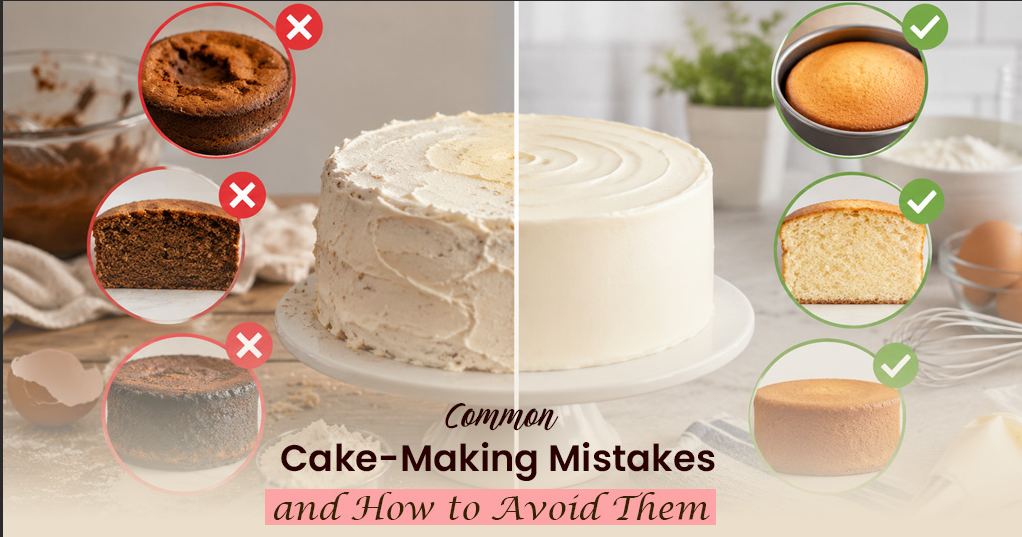
This article covers the most common cake-making mistakes cold ingredients, wrong flour choices, over-mixing, poor oven calibration, skipping prep steps, impatient frosting and inaccurate measurement and what to do about each one. Educators and baking professionals, including those at a baking institute in Chennai, consistently trace most student struggles back to these exact points. Getting them right doesn’t just fix one cake. It shapes how you approach every recipe after this one.
When Ingredients Start Cold
Most recipes ask for butter and eggs at room temperature. This isn’t a suggestion, it’s structural. Cold butter doesn’t cream properly. It resists the air that a cake batter depends on. Cold eggs can cause the batter to curdle, leaving it broken before it ever reaches the oven.
Room temperature ingredients emulsify. They blend into a smooth, even batter that holds together and bakes predictably. A simple rule: pull eggs and butter out an hour before baking. That small patience builds the texture you’re looking for.
Choosing the Wrong Flour
Flour is not interchangeable. All-purpose flour and cake flour behave differently because they are different protein content changes everything. Higher protein builds more gluten. More gluten creates chew and structure, which is ideal for bread but works against a tender, soft cake crumb.
Cake flour, with its lower protein, produces a finer, more delicate texture. Using all-purpose flour for a recipe that calls for cake flour doesn’t ruin the cake, but it does change it. Knowing this distinction evolves a baker from someone who follows recipes to someone who understands them.
The Over-Mixing Trap
Mixing feels productive. It feels thorough. But past a certain point, it works against you.
Once flour is added to wet ingredients, gluten begins to develop with every turn of the spatula. Over-mixed batter becomes tough. The cake bakes into something dense, with a rubbery texture that no amount of frosting can fix. Mix only until the flour disappears. Streaks of flour are fine at first, a few more folds will take care of them. Stop before the batter looks overworked.
Trusting an Uncalibrated Oven
An oven set to 180°C is not always an oven at 180°C. Oven temperatures drift. They run hot, cold, or unevenly and cakes respond to all of it. A too-hot oven domes and cracks the top before the interior sets. A too-cool one leaves the crumb dense and undercooked at the centre.
An oven thermometer costs very little. It removes the guesswork entirely. Rotating the pan halfway through baking addresses uneven heat. These aren’t advanced techniques, they’re habits that protect the work that went into every other step.
Skipping the Prep
Greasing and lining the pan feels like a formality. It isn’t. Skipping it costs you the whole cake at unmoulding. A well-prepared pan greased, lined with parchment, dusted with flour where needed means the cake releases cleanly and arrives on the plate the way it was meant to.
Preparation also includes reading the recipe in full before beginning. Discovering mid-batter that an ingredient needs to be at a specific temperature, or that a pan needs to be preheated, is avoidable. Read first. Then measure. Then begin.
Frosting a Warm Cake
This one feels impatient in the moment and expensive after. A warm cake melts buttercream. Cream cheese frosting slides. The entire surface becomes unstable.
The cake needs to cool completely ideally for an hour at room temperature, sometimes longer. Rushing this step undoes careful baking. The patience required here is not difficult. It just asks to be respected.
Measuring by Feel Instead of Weight
A cup of flour can vary by thirty grams depending on how it was scooped, packed, or settled in the bag. That variance, repeated across multiple ingredients, compounds into a recipe that behaves nothing like it was intended.
A kitchen scale removes that uncertainty entirely. Baking rewards precision. The more consistent the measurement, the more consistent the result.
These mistakes aren’t signs of failure. They’re part of how the craft teaches itself. Every baker who sticks with it long enough has made most of them. What changes over time is the ability to recognise them earlier, correct them faster, and eventually stop making them without thinking.
For those who want to build this understanding in a structured environment, where these principles are taught with context, not just correction baking classes Anna Nagar at Zeroin Academy offer exactly that kind of practical, grounded training.
The silence after a cake goes wrong doesn’t have to be discouraging. It can be the moment when the real learning begins.
