

:max_bytes(150000):strip_icc()/9256075-9e4e5e3fdcf0456297f4251b0f7ec121.jpg?w=1068&resize=1068,0&ssl=1 "how to cook over easy eggs")
Introduction
It looks easy to learn how to cook over easy eggs, but it actually takes a lot of practice, time, and gut feeling to get it right. People typically think of over easy eggs as just another kind of fried egg, but they have a unique position in breakfast culture. The whites should be thoroughly cooked but still soft, and the yolk should be warm, golden, and runny. If you cut into an over-easy egg the right way, the yolk will turn into a sauce that makes bread, vegetables, or rice taste good and make you feel full.
This article goes beyond simple instructions to show you how to prepare over-easy eggs. Instead of racing through the procedures, it teaches you about heat, how pans work, the structure of eggs, and minor changes that make a significant difference. By the end, you’ll know not only how to prepare them, but also why each step is important and how to change the recipe to fit your particular kitchen.
What Over Easy Eggs Really Are
Before learning how to cook over easy eggs, it’s necessary to know what makes them different. Over easy eggs are fried eggs that are turned for a short time so the top cooks a little but the yolk stays runny. The word “easy” doesn’t mean that the process is hard; it means that the yolk is soft.
Over easy eggs need a gentle turn, unlike sunny-side-up eggs, which are never flipped. They don’t cook for very long after the flip, unlike over medium or over hard eggs. This quick second cook preserves the whites and heats the yolk without making it thicker.
People typically have trouble cooking over easy eggs because they turn them too late, use too much heat, or don’t flip them quickly enough. You can fix all of these problems by being aware of them and practicing.
Why Controlling Heat is More Important than Speed

One thing many people don’t think about when they cook over easy eggs is how to adjust the heat. A lot of people who cook at home crank the heat up too high because they want the eggs to cook faster. But cooking at a high temperature makes the food cook unevenly, the edges get crispy, and the whites go rubbery.
The best temperature is medium to medium-low. This lets the whites set slowly without getting too brown too quickly. Taking your time provides you more control and makes it less stressful to time the flip. It pays to be patient while making over-easy eggs.
If the pan is excessively hot, the bottom of the egg will cook before the top has a chance to harden, which makes flipping it dangerous. If the pan is too cool, the egg stretches out too much and takes longer to set. One important thing to learn about how to cook eggs over easy is how to find that balance.
Picking the Right Pan for Consistent Results
How you cook over easy eggs depends a lot on the pan you use. A nonstick skillet is the best choice, especially for people who are new to cooking. It makes it easier for the egg to come out and cuts down on the amount of fat needed.
A cast iron pan that has been well-seasoned can also work well, making eggs that taste delicious and hold their shape. Stainless steel pans are the hardest to use since eggs tend to cling unless the pan is extremely hot and greased.
The size of the pan is also important. If the pan is too big, the heat won’t distribute evenly for one egg. If the pan is too small, it will be hard to turn. A small to medium skillet is the optimal size for balance.
What Fat Does to Flavor and Texture
There are small differences in how to cook over easy eggs depending on whether you use butter, oil, or ghee. Butter gives food a rich flavor and helps it brown slowly, but it burns readily if the heat is too high. Oil keeps things stable at greater temperatures, but it doesn’t taste as good. Ghee is the best of both worlds because it has a buttery taste and a greater smoke point.
There should be just enough fat to lightly coat the pan. If there isn’t enough fat, the egg will stick more, and if there is too much, it will fry too quickly instead of cooking slowly.
You can find the texture and flavor you like most by trying out different fats when you learn how to cook eggs over easy.
Methodical Way to Do Things Without Rushing
To learn how to make over-easy eggs, you need to think of the procedure as a flow instead of a list. First, heat your pan over medium heat and add the fat you want to use. Let it melt and cover the surface evenly.
If you want the most control, crack the egg into a small bowl first. This stops pieces of the shell from getting in the way and makes it easier to get into the pan. Carefully slip the egg into the pan and let it sit.
You will see the whites of the egg go from clear to opaque as it cooks. This is what you can see. The edges should be set but not brown, and the whites in the middle should no longer be runny.
It’s time to flip when the whites are mostly set. Keep the spatula near to the pan surface and slide it under the egg. With one confident move, flip the egg over. Hesitation is not good here. Let the egg cook on the other side for only a few seconds.
This short second cook is the most important part of how to cook eggs over easy. It heats up the yolk without cooking it all the way through. Take the egg out of the pan after five to ten seconds and serve right away.
Timing and Visual Cues Explained
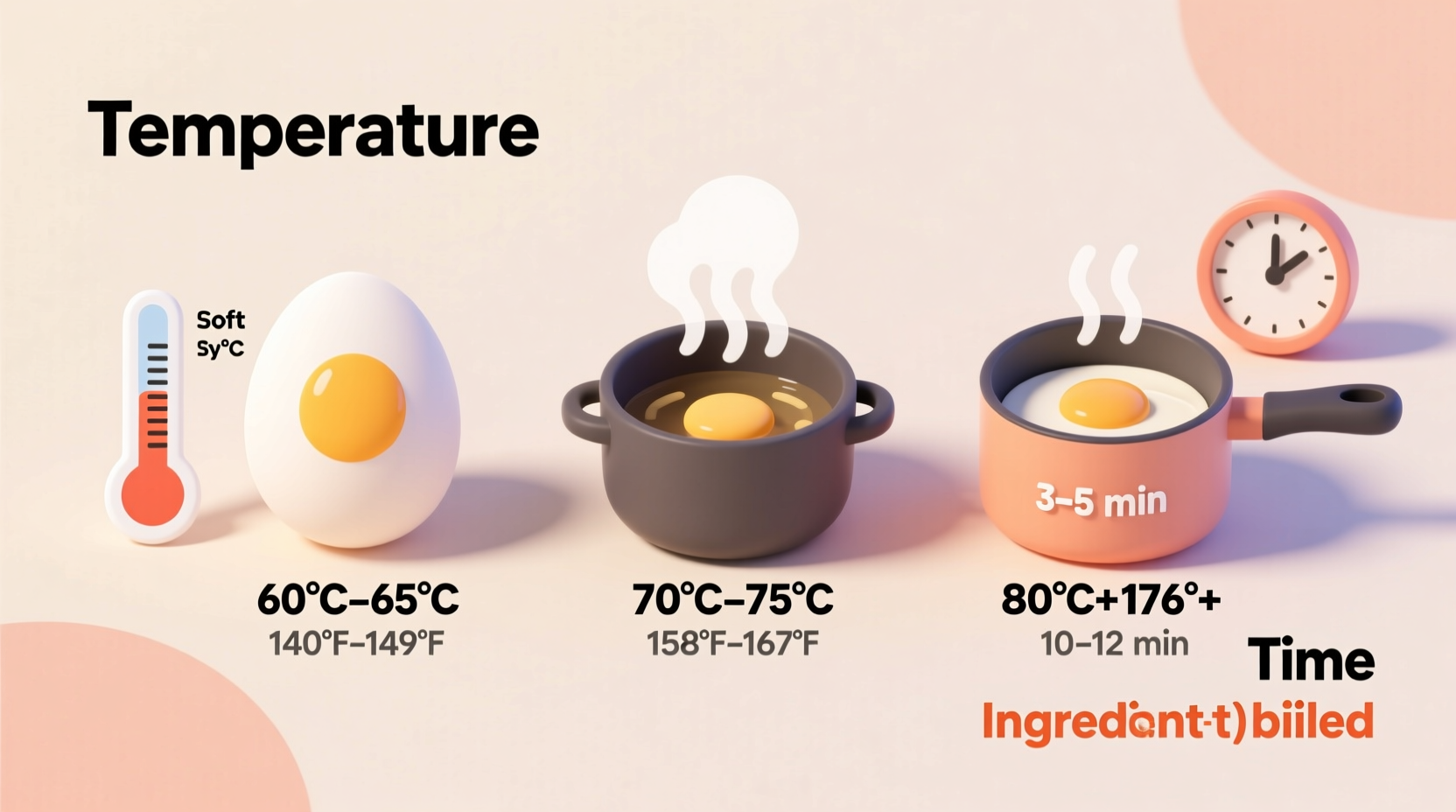
When learning how to cook eggs over easy, timing is vital, but visual clues are much more helpful. The size, freshness, and wetness of eggs all determine how long they take to cook.
The whites of fresh eggs are harder and hold together better. Eggs that are older spread out more and may need to be cooked a little longer before being flipped. Instead of looking at the clock, look at the whites to help you adjust.
When you shake the pan gently, the yolk should move a little. This means that it is still watery. The egg has gone past over easy if the yolk feels firm.
How to Avoid Common Mistakes
A lot of the problems people have with cooking over easy eggs originate from tiny faults that can be fixed. Flipping over eggs with too much heat will break the yolks. The whites tear if you flip too soon. If you flip too late, the yolks will be overdone.
Another mistake is to press down on the egg with a spatula after you flip it. This makes the yolk spread out and cook faster. You need to be gentle with over easy eggs and respect their structure.
Another problem is that the pan is too full. When you cook too many eggs at once, the pan gets colder and it’s harder to flip them. Cooking in groups gives greater results.
Changes in Texture and Taste
You may make modest changes to the way you cook over easy eggs once you know how. Lowering the heat a little makes the whites soft and gives them a delicate mouthfeel. A little more heat makes the edges crispy while keeping the yolk fluid.
It’s preferable to add seasoning near the end. Adding salt too soon can change the texture because it pulls moisture out of the whites. A small sprinkling right before serving adds flavor without changing the structure.
You can add spices and herbs to the pan fat for a mild infusion. This gives you more options without affecting the basic way to cook over easy eggs.
Table One: Comparing the Doneness of Eggs
| Egg Style | White Texture | Yolk Texture | Flip Required |
|---|---|---|---|
| Sunny Side Up | Fully set on bottom | Completely runny | No |
| Over Easy | Fully set | Runny and warm | Yes |
| Over Medium | Fully set | Slightly thickened | Yes |
| Over Hard | Fully set | Fully cooked | Yes |
This table shows why it’s important to be precise while learning how to cook over easy eggs: the difference between ways can be as small as a few seconds.
How to Serve Over Easy Eggs in Simple Meals
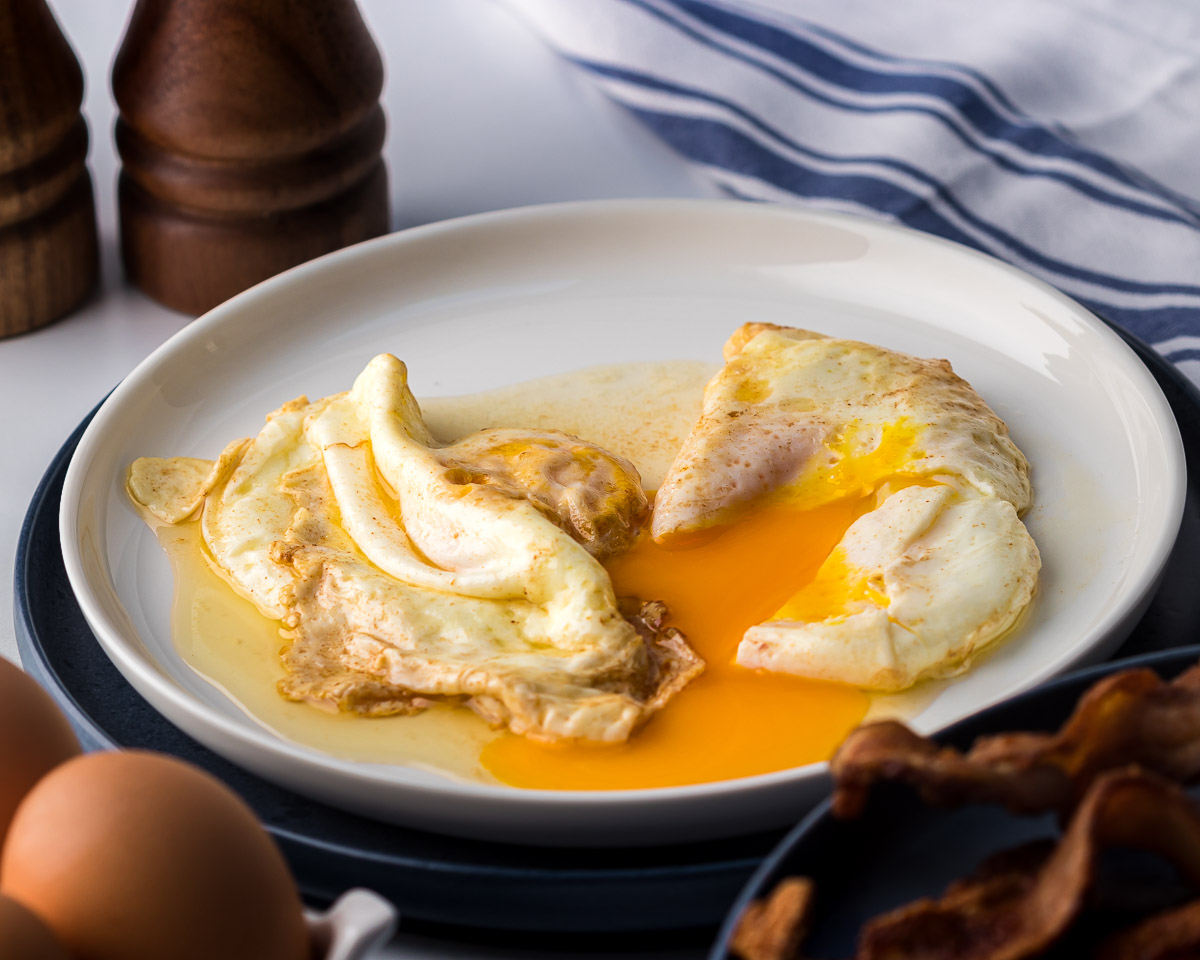
You can eat over easy eggs with a lot of different dishes. You can put them on toast, rice, vegetables, or flatbreads. The runny yolk is like a natural sauce that makes simple foods taste better.
You may use over easy eggs in meals other than breakfast if you know how to cook them. They give protein and flavor without being too complicated, so they work well for quick lunches or light evenings.
It is necessary to serve right away. Over easy eggs keep cooking from the heat that is still in them, so if you wait too long, the yolk may change texture.
Table Two: Guide to Timing and Heat
| Heat Level | Approximate Cook Time | Resulting Texture |
|---|---|---|
| Medium-Low | 3–4 minutes total | Tender whites, runny yolk |
| Medium | 2–3 minutes total | Balanced texture |
| Medium-High | 1–2 minutes total | Crisp edges, riskier flip |
This table shows again how heat affects the outcome while cooking over easy eggs.
The Science of the Perfect Flip
When cooking over easy eggs, it’s important to know that the whites and yolks cook at different temperatures. At lower temperatures, the whites start to set, and at higher temperatures, the yolks get thicker. The goal is to cook the whites all the way through without overcooking the yolk.
Flipping the egg over for a short time lets direct heat on the top, which is just long enough to seal the surface. This balance is what makes over-easy eggs feel both rich and exact.
When you flip the egg with confidence, it moves less, which means less yolk breaks. Practicing with a spatula at the same angle as your pan helps your muscles remember how to do it.
Getting Better at Things by Doing Them
It’s just as important to have confidence as it is to know how to make over easy eggs. The first few times you try may be difficult, but each time you learn more about your pan, stove, and timing.
If you start with one egg at a time, you can concentrate. You can cook more than one egg without losing quality as you get better at it.
It’s normal to make mistakes. Even if the yolk breaks or the egg is overcooked, it still tastes nice and teaches you something for the next time.
Why It’s Important to Know How to Make Over Easy Eggs

Cooking over easy eggs is a basic technique that will help you learn many other cooking abilities. It teaches you how to control heat, time, and handle things gently, which you can use in other meals as well.
Eggs over easy are easy to make, cheap, and tasty. They take simple components and turn them into a whole meal, and they make you feel better by being familiar.
Once you get the hang of it, this technique becomes second nature, and you can cook over easy eggs without even thinking about it.
Conclusion: On Cooking Eggs Over Easy
It’s not only about following steps when you learn how to prepare over easy eggs. It’s about paying attention to what you see, appreciating heat, and believing your gut. You will find a rhythm that feels right and works well with practice.
Over-easy eggs show how beautiful simple cooking can be. When done effectively, they show that even the simplest ingredients can be deep, satisfying, and fun. You can make them exactly every time if you are patient and do them over and over. This turns an ordinary egg into something spectacular.
Read More:- Over Easy Eggs Explained: Nutrition, Cooking Method, and Taste
:max_bytes(150000):strip_icc()/9256075-9e4e5e3fdcf0456297f4251b0f7ec121.jpg?w=1200&resize=1200,0&ssl=1&description=Learn how to cook over easy eggs with perfect whites and runny yolks using simple techniques, pan tips, heat control, and timing for consistent results.)