


Introduction
The question is lamb red meat People typically talk about red meat when they talk about nutrition, heart health, and balanced meals. A lot of people know that lamb is a classic and tasty protein, but there is still some confusion regarding where it fits in with other types of meat. Some people think that red meat solely means beef, while others think that all types of flesh from animals are the same. To give a precise answer, we need to delve beyond our first thoughts and look at scientific definitions, nutritional structure, and biological traits.
In dietary science, meats are grouped according to the kind of muscle fiber, the amount of myoglobin, and the chemical makeup of the meat. These factors decide if a piece of beef is red or white. When dietitians are asked is lamb red meatt, they look at these quantitative criteria instead of cultural practices or cooking ways. Lamb always fits the requirements for red meat, but to understand why, we need to look more closely at what red meat really is.
This page talks about how lamb is classified, what nutrients it has, what health effects it has, what cultural importance it has, and how different ways of cooking it change its role in a modern diet. In the end, the question of lamb red meat will be answered in a straightforward and complete way.
What Nutrition Science Says About Red Meat
It’s vital to define red meat scientifically in order to figure out if lamb is a type of red meat. Red meat is muscle tissue from mammals that has a lot of myoglobin in it. Myoglobin is a protein that stores oxygen in muscle cells. It also makes meat darker before it is cooked.
Animals that need to be strong and last a long time usually have muscles that are high in myoglobin. This biological characteristic makes it look darker red when it’s raw. Beef, pork, goat, and lamb are all mammals with comparable muscle physiology, hence they all belong to this group. Poultry and fish, on the other hand, have less myoglobin, which is why they are called white meat.
When scientists look at whether is lamb red meat, they look at its myoglobin level, muscle fiber density, and iron content. Lamb muscle tissue has the same biochemical properties as beef, which means it is definitely red meat.
Is Lamb Red Meat According to Official Dietary Definitions
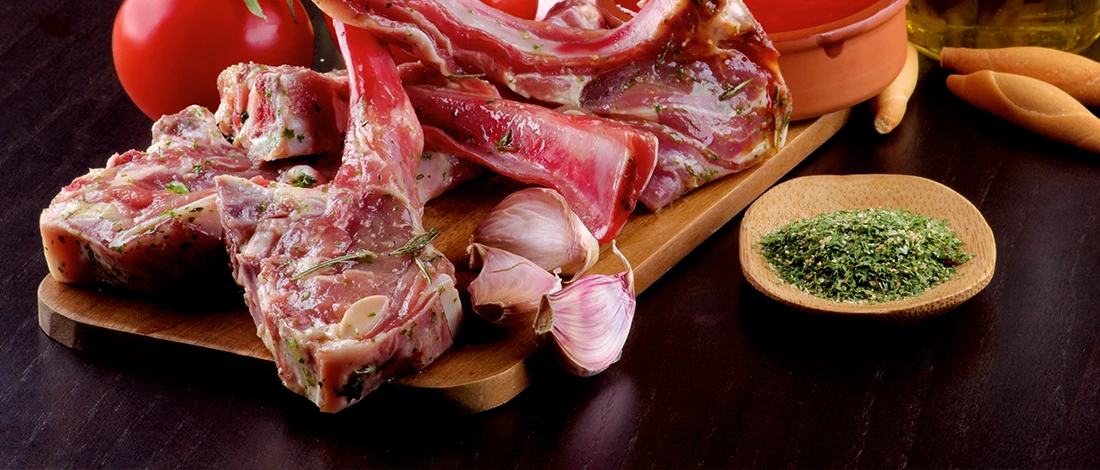
Nutritionists and health organizations around the world say that lamb is red meat. This classification is based on the same categories that are used for health studies, dietary guidelines, and nutritional advice.
Lamb comes from sheep, which are creatures that chew their food. Ruminants have a particular stomach system that helps them digest food in a way that changes the fat composition and muscle growth. These traits make lamb similar to other red meats like goat and beef.
Researchers categorize lamb as red meat in clinical or nutritional studies because it has comparable effects on cholesterol levels, iron absorption, and protein composition as beef. This rating is not based on how tender or mild lamb tastes, but on where it comes from and what nutrients it has.
What Lamb Meat Is Made Of
Lamb is a nutrient-rich food that gives you high-quality protein and important vitamins and minerals. When eaten in moderation, it has a lot of iron, zinc, vitamin B12, and healthy fats. Lamb has been cherished by many civilizations for hundreds of years because it is so nutritious.
Lamb has all the essential amino acids, hence it is a complete protein source. This helps muscles grow, tissues heal, and the immune system work. Heme iron is the type of iron found in lamb that the body can absorb more easily than iron from plants.
When people question is lamb red meat and if it should be limited, they generally talk about the saturated fat in lamb. Lamb does have saturated fat, but how it affects health depends on how much you eat, how often you eat it, and how you cook it.
Table 1: Nutritional Profile of Lamb (Per 100g Cooked)
| Nutrient | Amount |
|---|---|
| Calories | 258 kcal |
| Protein | 25.6 g |
| Total Fat | 20.0 g |
| Saturated Fat | 9.0 g |
| Iron | 2.3 mg |
| Zinc | 4.0 mg |
| Vitamin B12 | 2.6 µg |
Lamb Compared to Other Red Meats
When trying to figure out is lamb red meat, comparing it to other meats can help. Lamb has a lot of the same nutrients as beef and goat, but the way the fat is spread out and the flavor is stronger.
When sheep are fed grass instead of grain, their meat often has more omega-3 fatty acids than beef that is fed grain. Eating this in the right proportions can help reduce inflammation. Lamb also has a deeper flavor because of its fat content, which changes how people cook and eat it around the world.
Even with these variances, lamb is nevertheless nutritionally similar to red meats. Its iron level, protein quality, and lipid profile are similar to those of beef, which supports the answer to the question of whether lamb is red meat.
Table 2: Lamb Compared to Other Types of Meat
| Meat Type | Classification | Iron Content | Protein Density |
|---|---|---|---|
| Lamb | Red Meat | High | High |
| Beef | Red Meat | High | High |
| Goat | Red Meat | Moderate | High |
| Chicken | White Meat | Low | Moderate |
| Fish | White Meat | Low | Moderate |
Health Effects of Eating Lamb
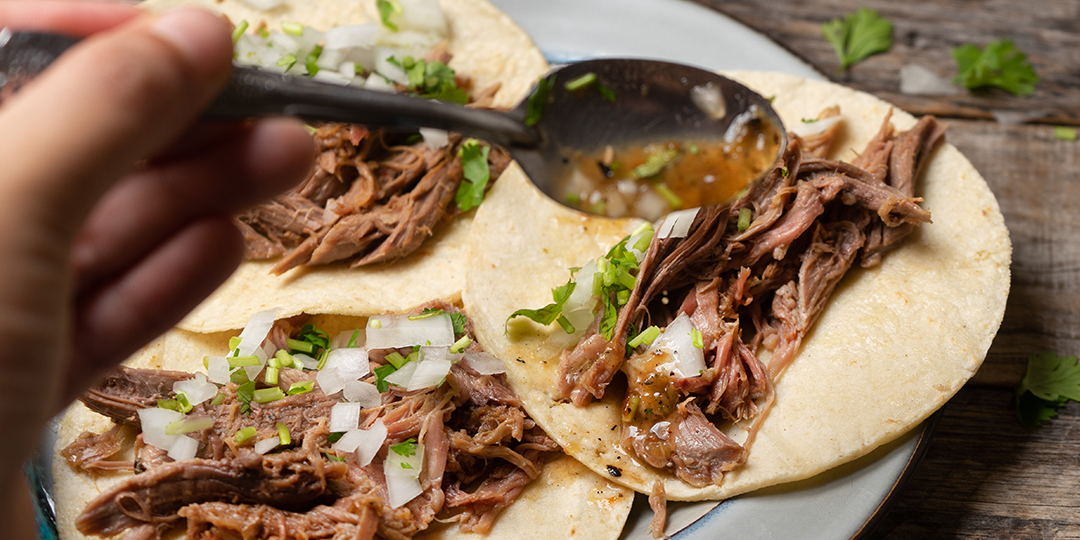
How much lamb you eat, how you cook it, and what else you eat all affect how it affects your health. Lamb, like all red meats, has pros and downsides. Knowing these things helps you see the topic of whether lamb is red meat in a bigger health context.
Lamb has important nutrients that help the brain work, make red blood cells, and keep the immune system healthy. Lamb is a great source of vitamin B12, which is very important for nerve function and energy metabolism. Zinc helps wounds heal and the immune system work better, which is why lamb is a good choice for nutrient-rich meals.
Some studies have shown that eating a lot of red meat often can raise the risk of heart disease. This connection is more typically linked to eating a lot of saturated fat than to eating red meat itself. Lamb can be a nutritious part of a balanced diet when consumed in moderation and alongside vegetables, complete grains, and healthy fats.
So, asking is lamb red meat is a good way to learn about responsible eating.
Cultural and Culinary Views on Lamb
In several cooking traditions, lamb is quite important. Lamb is a big part of many cultures’ gastronomic traditions, from Middle Eastern kebabs to Indian curries and Mediterranean roasts. These traditions generally stress long cooking, balancing spices, and serving with vegetables, all of which might change the healthiness of lamb dishes.
People in some cultures only eat lamb on rare occasions, which means they don’t eat it as often or in large amounts. In some places, it is a common source of protein since it is easy to find and is part of the culture. These trends suggest that the cultural context is just as important as the nutritional classification.
There is a scientific answer to the topic of whether lamb is red meat, although cultural views may differ. Some people think lamb is lighter than beef because it is soft, but it is still a type of red meat.
How Different Ways of Cooking Affect Lamb as Red Meat
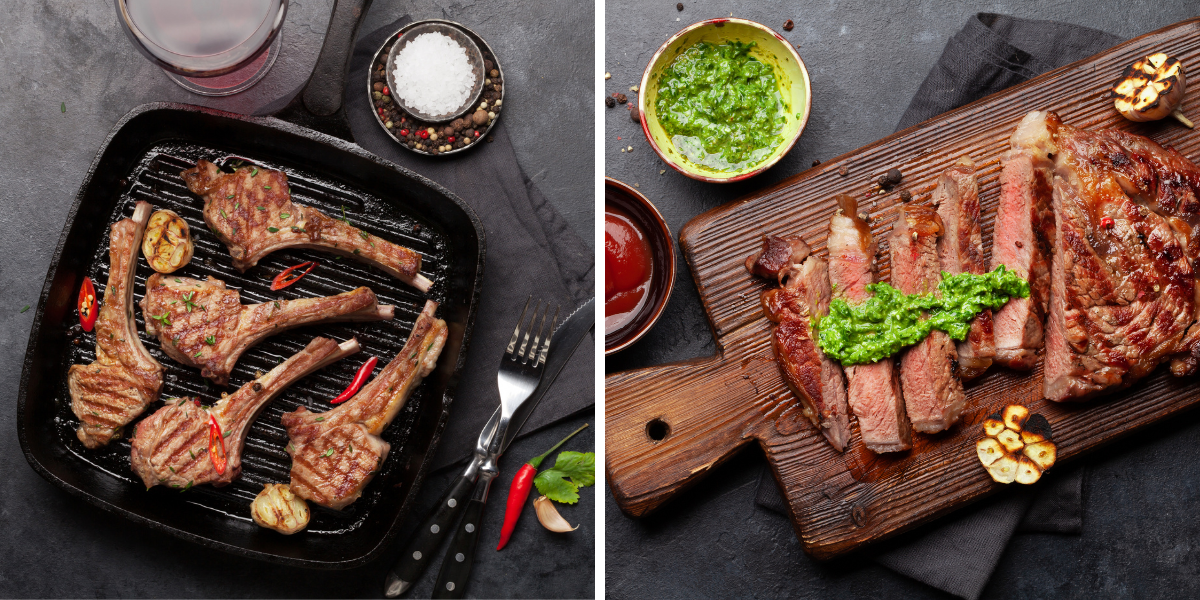
The way you cook lamb has a big effect on its nutritional value. When done too much, cooking at high temperatures, such grilling or frying, might create more chemicals that are linked to inflammation. Slow cooking, roasting, or stewing usually keeps nutrients while cutting down on the need for extra fats.
Marinating lamb with herbs, spices, and acidic foods can make it taste better and may also stop hazardous compounds from forming while it cooks. Lean slices of lamb also keep the quality of the protein while lowering the amount of saturated fat.
The answer to the question “Is lamb red meat?” does not alter, even when it is cooked lightly and served with vegetables. The way you cook food influences your health, but not how it is classified.
Is Lamb Red Meat Good for Diets that Help You Lose Weight
People who are trying to lose weight often wonder if red meat is okay for them to eat. Because lamb has a lot of fat, it has a lot of calories, therefore it’s vital to watch how much you eat. But lamb’s high protein content can help you feel full and keep your muscle mass when you’re losing weight.
Eating lamb from time to time on a diet that controls calories will help you avoid nutrient deficits, especially in vitamin B12 and iron. You may enjoy lamb without eating too many calories if you choose lean cuts and cook it carefully.
When it comes to weight loss, the answer to the question “Is lamb red meat?” is still yes, although moderation is more important than complete avoidance.
Environmental and Moral Issues
People often talk about how red meat affects the environment. Like other ruminant animals, lamb production adds to greenhouse gas emissions. But when managed correctly, sheep that live on pasture can be a part of sustainable grazing systems.
Ethics also play a role in what people eat. Some people pick lamb from farms that care about the animals and use sustainable methods. These options don’t change whether lamb is red meat, but they do change how people see its place in their diet.
Conclusion: Is Lamb Red Meat
The answer to whether lamb is red meat is clear and consistent after looking at scientific definitions, nutritional makeup, health effects, and cultural context. Lamb is red meat since it comes from mammals, has a lot of myoglobin, and is good for you.
This classification helps people make smart food choices instead of just guessing what they should eat. If you eat lamb in moderation and cook it carefully, it can be a good source of important nutrients.
It’s not only about identifying lamb red meat; it’s also about knowing how food fits into a healthy lifestyle. Lamb can be a component of a healthy diet that includes both good nutrition and fun when consumed in moderation.
Read More:- Is Chicken Red Meat? Understanding Poultry, Meat Types, and Health
