


Introduction
People have known for a long time that skim milk is a lighter option than full milk, but many people don’t understand its nutritional value. A lot of people think that taking out fat also takes out much of the beneficial stuff, but skim milk nutrition tells a different story. This type of milk keeps a lot of important nutrients while lowering the number of calories and fat. Because of this, it is a popular choice for people who want to stay healthy, lose weight, or keep their hearts healthy. To understand the nutrition of skim milk, you need to look at more than just the calories. You also need to look at the quality of the protein, how well the vitamins stay in the milk, the density of the minerals, and how the milk affects the body over time.
For generations, milk has been a staple food because it has a good mix of macronutrients and micronutrients. Skim milk is made by taking out almost all of the fat from the milk, which makes it thinner and less rich. The basic structure of milk stays the same, even though this has changed. Lactose, protein, calcium, and many vitamins are still there, giving you nutrition without the heaviness of full-fat dairy. So, skim milk nutrition isn’t about doing without; it’s about getting better.
Skim milk is still important in today’s nutrition world, as people look for functional meals that help them reach certain health goals. People of all ages can benefit from skim milk. Athletes looking for lean protein and older folks focusing on bone strength can both benefit from it. To properly understand its worth, you need to look at what it is made of, what it can do, what it can’t do, and how it fits into everyday diets.
How Skim Milk is Made and What It Is
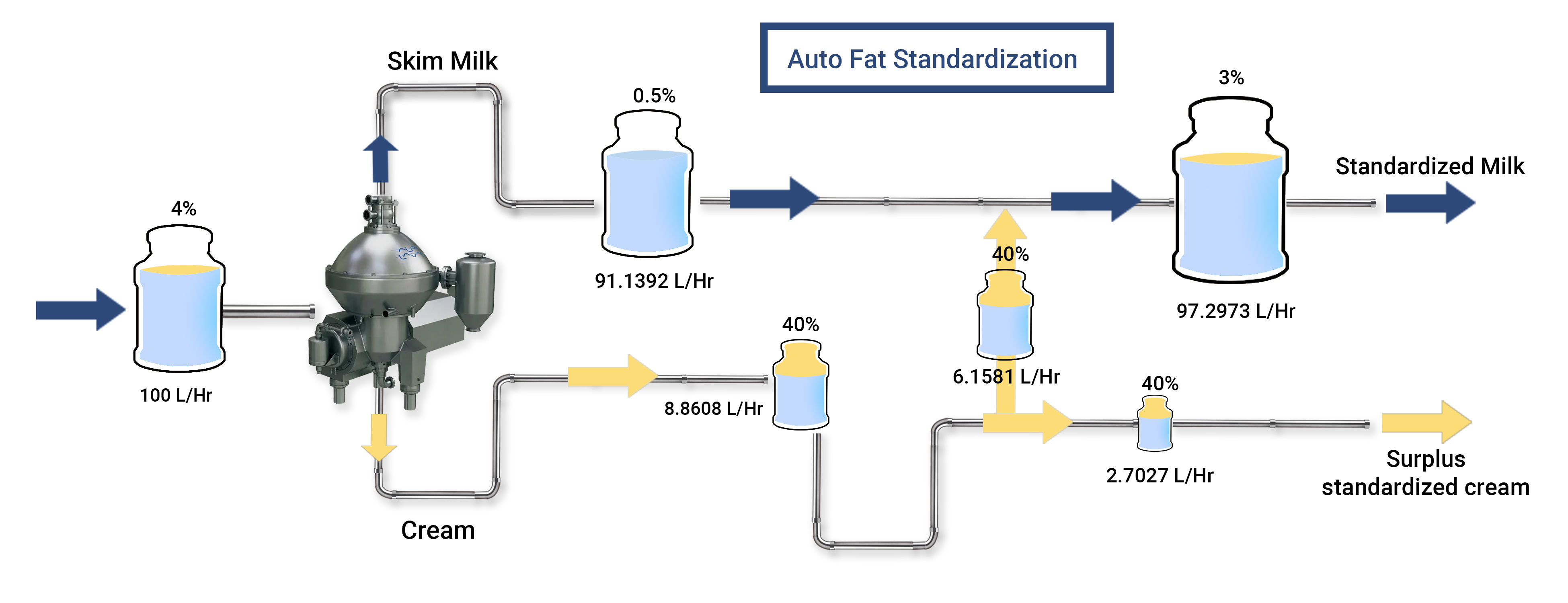
Whole milk is the first step in making skim milk. The cream is taken out by a mechanical separation process, leaving behind milk with less than 0.5 percent fat. This technique doesn’t use chemicals or other additions, thus skim milk is a naturally altered product, not an intentionally modified one. Water, lactose, protein, vitamins, and minerals are still in the liquid that is left over.
During processing, skim milk is usually pasteurized to kill harmful bacteria and make sure it is safe. In many places, fat-soluble vitamins like vitamin A are brought back in since they are lost when fat is taken out. This procedure makes sure that the nutrition in skim milk stays balanced and that the micronutrient value is similar to that of other types of milk.
The ultimate result is a milk that is thinner yet has a lot of nutrients. The nutrition of skim milk is carefully balanced to lower fat intake while keeping important elements. Many nutrition standards around the world still prescribe skim milk because of this balance.
The Macronutrient Profile of Skim Milk
The first step to understanding the nutrition of skim milk is to look at its macronutrients, which include carbs, protein, and very little fat. The carbohydrates mostly come from lactose, a natural sugar in milk that gives you energy. Most people don’t have quick spikes in blood sugar when they eat lactose since it takes a long time to digest.
One of the best things about skim milk nutrition is that it has a lot of protein. Skim milk has high-quality complete protein, which means it has all the amino acids that the body needs. Casein and whey are two types of proteins that help repair muscles, boost the immune system, and make enzymes. Even though the fat has been taken out, the protein content is mostly the same as whole milk.
The amount of fat is the main thing that sets skim milk distinct. The calorie density lowers a lot when almost all of the fat is taken out. This makes skim milk nutrition especially appealing for people who want to eat healthy foods but also want to keep an eye on their calorie consumption. The lower fat content also means you eat less saturated fat, which is generally linked to heart health.
Table 1: Basic Nutritional Composition of 250 ml of Skim Milk
| Nutrient | Amount |
|---|---|
| Energy | 80–90 kcal |
| Protein | 8–9 g |
| Carbohydrates | 12–13 g |
| Fat | 0–0.5 g |
| Calcium | 300 mg |
| Potassium | 350 mg |
Vitamins and Micronutrients in Skim Milk
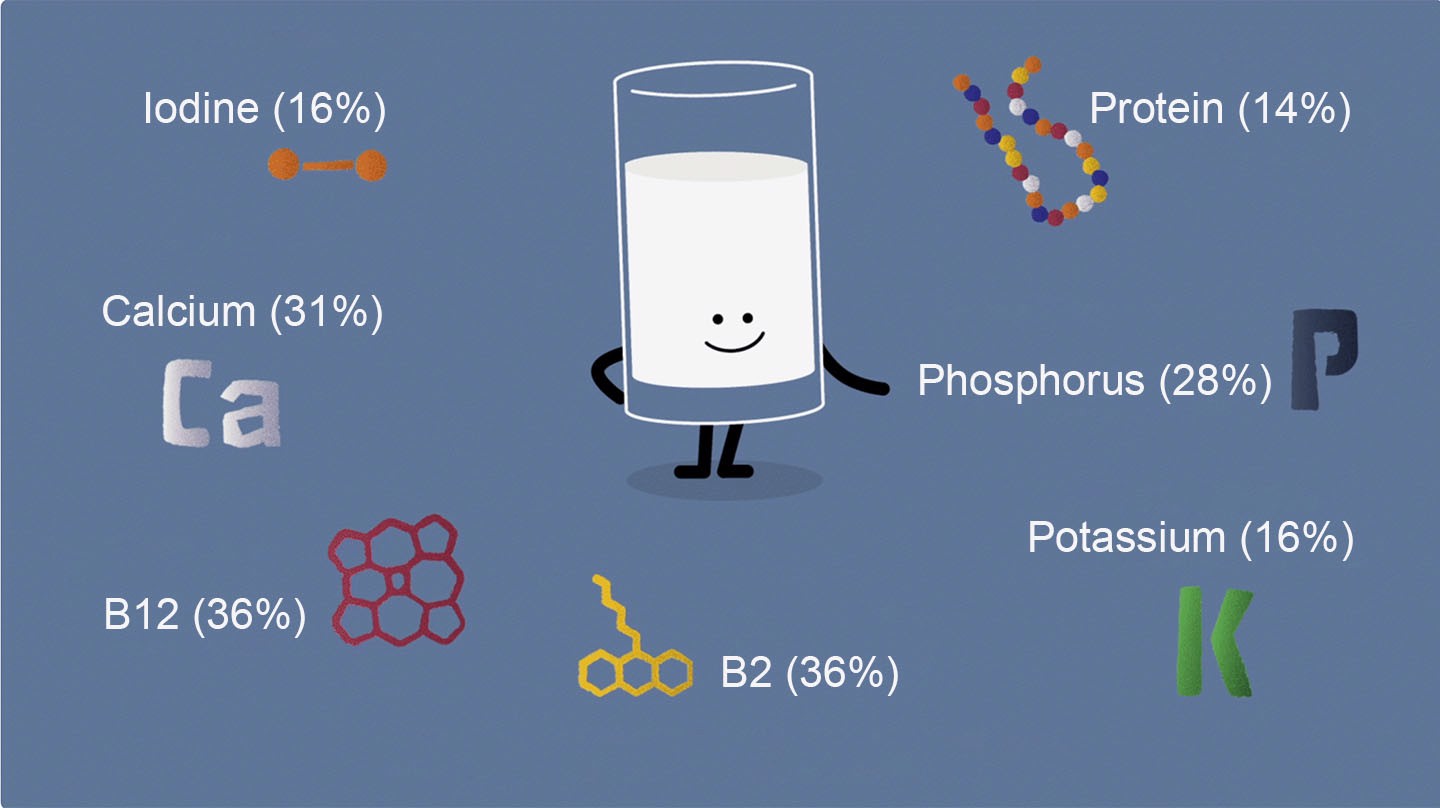
Skim milk is also full of important vitamins and minerals, in addition to macronutrients. Calcium is the mineral that most people know about in milk, and skim milk has a lot of it. Calcium is very important for making bones, sending signals between nerves, and making muscles contract. Eating foods high in calcium, such skim milk, on a regular basis helps keep bones healthy in the long run.
Phosphorus is another mineral that helps bones and teeth stay strong. Potassium in skim milk helps keep electrolytes in balance and keeps blood pressure in check. Magnesium, even though it’s not as much, helps nerves and muscles work.
Another significant part of skim milk nutrition is the vitamins it has. During the elimination of fat, naturally occurring B vitamins including riboflavin and vitamin B12 are kept. These vitamins help the body use energy, make red blood cells, and keep the nervous system healthy. Fortified skim milk often has vitamin A and vitamin D in it. These vitamins help the immune system work better and help the body absorb calcium better.
Protein Quality and Support for Muscles
One of the best things about skim milk is that it is a good source of protein. Skim milk is a great source of protein with very little fat, which is great for keeping muscles healthy and recovering. Skim milk is a popular drink for athletes and others who work out since it has both whey and casein proteins.
Whey protein is easily absorbed, which makes it good for repairing muscles right away. Casein breaks down more slowly, which means it releases amino acids over time. This two-protein structure makes skim milk nutrition especially good for building lean muscle without adding extra calories.
As people get older, it becomes more and more vital to keep their muscle mass to avoid becoming weak. Skim milk is a good source of protein that is easy to get and digest. It helps build muscle strength and fits with dietary guidelines for lower fat intake.
How Skim Milk Can Help You Lose Weight
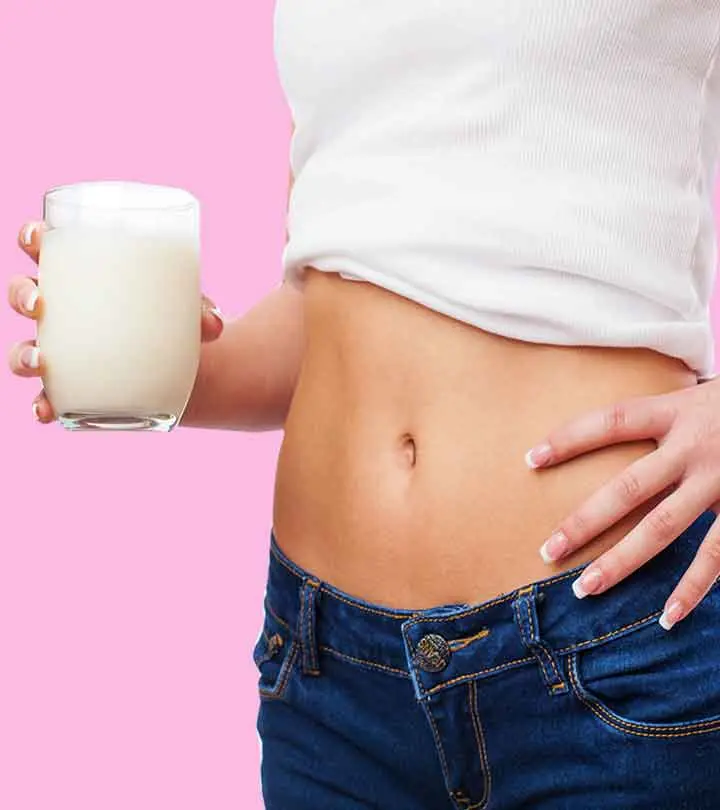
People often think of skim milk as a way to help them lose weight. People can add milk to their diets without getting a lot more calories because it is low in calories and fat. Protein and lactose work together to make people feel full for extended periods of time.
If you switch from high-calorie drinks to skim milk, you can cut down on the number of calories you eat without losing out on nutrients. Skim milk gives you nutrients instead of empty calories, unlike sugary drinks. This makes skim milk nutrition a good choice for long-term improvements to your diet instead of short-term diets.
Researchers have also looked into the calcium content of skim milk to see if it has anything to do with how fat is broken down. Calcium-rich diets are generally linked to better body composition when accompanied with a balanced diet and regular exercise, even though the results are not always the same.
Benefits for Bone Health and the Long Term
Bone density is highest in early adulthood and slowly drops as you become older. When supplemented, skim milk nutrition gives you calcium, phosphorus, and vitamin D, which are all good for your bones throughout your life. These nutrients work together to keep bones strong and lower the chance of breaking them.
Kids and teens need skim milk to help them grow, while adults need it to keep their bones strong. Eating calcium-rich foods like skim milk on a regular basis may help elderly people lose less bone as they get older.
Some calcium supplements don’t do this, but skim milk gives calcium in a form that the body can easily absorb. This natural synergy between nutrients makes it work better as a food staple.
Table 2: A Look at the Nutrition of 250 ml of Skim Milk and Whole Milk
| Nutrient | Skim Milk | Whole Milk |
|---|---|---|
| Calories | 80–90 kcal | 150–160 kcal |
| Fat | 0–0.5 g | 8 g |
| Protein | 8–9 g | 8 g |
| Calcium | 300 mg | 300 mg |
| Saturated Fat | Minimal | Higher |
Skim Milk and Your Heart Health
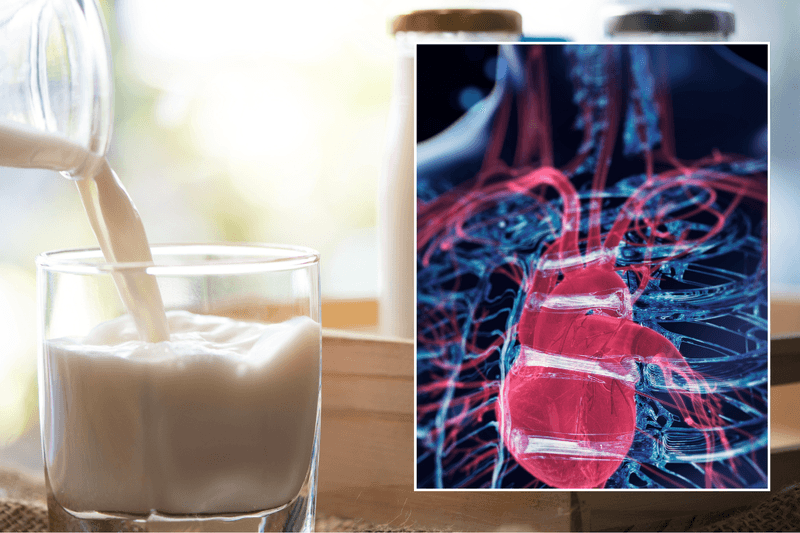
Many people are very concerned about their heart health, and the nutrition in skim milk fits in nicely with dietary habits that are good for the heart. Because there isn’t a lot of saturated fat, it won’t have a big effect on cholesterol levels. Potassium in skim milk also helps keep blood pressure in check at the same time.
Milk’s protein and bioactive peptides may also be good for your blood vessels. People can get the health benefits of dairy while lowering the amount of foods that are bad for their heart by choosing skim milk.
You shouldn’t just think of skim milk as a way to get more nutrients; it should be part of a balanced diet. Skim milk is good for your heart when you eat it alongside fruits, vegetables, whole grains, and healthy fats.
Things to think about When it Comes to Lactose and Digestibility
Many people around the world are lactose intolerant, which means that eating dairy makes them feel bad. Skim milk has the same amount of lactose as full milk, therefore taking off the fat doesn’t lower the lactose levels. Some people, on the other hand, find skim milk simpler to stomach since it is lighter.
If you are mildly lactose intolerant, drinking skim milk in smaller amounts or with meals can help you become used to it. You can also find lactose-free skim milk, which keeps the nutrition of skim milk while getting rid of digestive problems.
Fermented dairy products have different amounts of lactose, but skim milk is still a good choice for people who can handle lactose and seek a low-fat source of nutrients.
Skim Milk in Everyday Life and Cooking
It’s easy to include skim milk nutrition in your daily meals. You can use it in cereals, smoothies, coffee, tea, and cooking without changing the taste too much. It doesn’t have the same richness as whole milk, but it works nicely in a lot of recipes, especially those that call for lighter textures.
When you bake or cook, skim milk adds moisture and protein without adding too much fat. You can add skim milk to sauces, soups, and desserts to lower the number of calories while keeping the nutritional value.
People who are switching from whole milk to skim milk may not feel as satisfied at first because the texture is different. Over time, people’s taste buds change, and skim milk becomes a comfortable and regular choice.
Possible Drawbacks of Skim Milk Nutrition

There are many benefits to skim milk nutrition, but it isn’t always the best choice. Fat helps you feel full and helps your body absorb fat-soluble vitamins. Some people may feel less full after drinking skim milk than after drinking full-fat milk, even though vitamins are routinely added to it.
Higher fat milk may be better for kids under a specific age and people who need a lot of energy. Adults and teens with balanced diets and specific health goals will get the most out of skim milk.
It’s important to know what your own dietary demands are. You shouldn’t only follow trends when choosing skim milk; you should also think about your health, lifestyle, and overall eating habits.
The Nutritional Value of skim Milk in Today’s Diets
Nutrient density, moderation, and customisation are important in modern diets. Skim milk fits with these ideas because it has fewer calories and fat while still giving you the nutrients you need. It works well with vegetarian diets, meal plans that emphasize on protein, and eating programs that limit calories.
Adults are regularly told to eat low-fat dairy, and skim milk is still a big part of this advice. Its easy availability and low cost make it even more important for daily nutrition.
As nutritional science changes, people keep looking at skim milk nutrition in different ways. Instead of being seen as beneficial or harmful for everyone, it is now seen as one of several ways to get the right amount of nutrients.
Conclusion: Knowing the Real Benefits of Skim Milk Nutrition
Skim milk nutrition is a careful balance between getting enough food and not eating too much. Skim milk is a good option for people who want to eat healthier because it removes fat while keeping protein, calcium, and important vitamins. It helps with muscle support, bone health, weight management, and heart health, among other things.
At the same time, nutrition from skim milk isn’t the same for everyone. The decision to include it in the diet should be based on each person’s needs, likes, and health goals. Skim milk can be a good element of a healthy diet if you use it on purpose and with a variety of other foods.
In the end, skim milk nutrition is less about limiting what you can eat and more about making smart choices. Knowing what it’s made of and what it does helps people figure out how it fits into their life. This makes nutrition a personal and long-term journey instead of a strict set of rules.
Read More:- Is Lamb Red Meat? A Complete Nutritional and Health Analysis
