

:max_bytes(150000):strip_icc()/The-Blade-Steak-or-Chicken-Steak-FT-BLOg0624-5dd3773deade4af0afc1c15509cc4335.jpg?w=1068&resize=1068,0&ssl=1 "is chicken red meat")
Introduction
The issue “is chicken red meat” appears easy at first, yet it still confuses a lot of people from different countries, diets, and health conversations. This misunderstanding comes from the fact that science, nutrition, cooking traditions, and even cultural behaviors all have a role in how meat is classified. Some individuals think that red meat is darker meat, while others follow nutritional rules or medical advice. Chicken is a common part of diets for losing weight, keeping your heart healthy, and athletes, which makes people even more curious about what kind of food it is.
To know is chicken red meat, you need to look at muscle biology, nutrition, cooking methods, and health science. It’s easy to see why chicken is treated differently from beef, lamb, and pork when you look at each of these things separately. This article looks at the issue from every viewpoint that is important to give a full and accurate answer to the question “Is chicken red meat?”
What Science Says About Red Meat
To comprehend meat classification, it is imperative to commence with biology rather than morphology. In scientific terms, red meat is determined by how much myoglobin is in the muscle fibers. Myoglobin is a protein that helps muscle cells store oxygen. Animals that need to keep their muscles working for a long time, such grazing animals, tend to have more myoglobin. Even before cooking, this makes their meat a darker shade of crimson.
This includes cows, sheep, goats, and pigs since their muscles have a lot of myoglobin in them. These animals do muscle work that requires them to store more oxygen. So, even when raw, their meat stays red or crimson, and when cooked, it usually gets even darker.
Chicken, on the other hand, is a distinct kind of animal. Poultry muscles have a lot less myoglobin, especially in the breast area. The main reason chicken meat looks pale or white is because it has less myoglobin. The scientific answer to whether chicken is red meat is no, because it doesn’t fit the biological criteria of red meat.
White Meat Explained by How Muscles Work

Muscles that are used for quick bursts of activity rather than continuous periods of movement provide white meat. Chickens are birds that live on the ground and depend on fast movements instead of long-lasting ones. Their breast muscles, which they utilize to flap their wings for short periods of time, don’t have much myoglobin, thus they stay light in color.
But chicken thighs and legs look darker, which might be confusing. These muscles are engaged more often when standing and walking, which raises myoglobin levels a little. Even if it seems darker, the concentration of myoglobin is still much lower than in red meat from mammals.
This discrepancy is why the topic “Is chicken red meat?” keeps coming up. Some sections of chicken may look darker, but the muscular composition still puts chicken firmly in the white meat category.
Nutritional Classification of Chicken Meat
When it comes to nutrition, meat is generally grouped by its fat content, protein quality, cholesterol levels, and micronutrients. Red meat usually has more saturated fat and cholesterol than white meat, which is leaner and simpler to digest.
Many people know that chicken is a good source of lean protein, especially when it doesn’t have skin. It has good protein, a modest amount of fat, and important nutrients like niacin, vitamin B6, selenium, and phosphorus. These nutritional characteristics are more similar to those of white meat than red meat.
Health authorities and dietary standards routinely classify chicken as distinct from red meat. The answer to whether chicken is red meat in nutrition science is still the same as in biology. Chicken is classified as white meat because it has less fat and a different nutrient profile.
Table One: How Red Meat and Chicken Are Different Biologically
| Characteristic | Red Meat (Beef, Lamb, Pork) | Chicken |
|---|---|---|
| Myoglobin content | High | Low |
| Raw color | Red or dark pink | Pale pink or white |
| Primary muscle usage | Endurance-based | Short bursts of activity |
| Classification | Red meat | White meat |
Food Traditions and Labels for Meat

Culinary traditions also have a big impact on how meat is classified. When cooking, meats are generally put into groups depending on how they feel, how long they take to cook, and how strong their flavor is. Red meat normally takes longer to cook and tastes stronger and richer since it has more fat and myoglobin.
Different kitchens throughout the world treat chicken in different ways. It cooks faster, soaks up marinades better, and has a milder flavor. These traits are similar to how to cook white meat, like grilling, baking, steaming, and mild frying.
Some slices of chicken look darker, but chefs and food experts do not consider chicken to be red meat. In professional kitchens, chicken is always considered poultry. This gastronomic viewpoint corroborates the scientific and nutritional classification of chicken as red meat.
Health Guidelines and Medical Suggestions
When looking at health hazards, medical research frequently separates red meat from poultry. Eating a lot of red meat has been related to a higher risk of heart disease, several malignancies, and metabolic disorders. Saturated fat, heme iron, and the way food is processed are mostly to blame for these links.
Eating chicken in moderation doesn’t raise the same health issues. People who need to keep their cholesterol, diabetes, or weight in check are often told to eat lean chicken. To promote heart health, doctors and dietitians often tell people to consume chicken instead of red meat.
From a medical point of view, the answer to the question of whether chicken is red meat is simply no. Chicken is categorized distinctly according to its unique influence on long-term health effects.
Cultural Misunderstandings About the Color of Meat

The color of meat has a big effect on how people see it in many cultures. People typically think that red meat is darker meat and white meat is lighter meat. This way of looking at things might be deceiving, especially when chicken legs and thighs look darker than breasts.
Different ways of cooking meat can also change its color. Slow cooking, roasting, or grilling chicken can make it look like red meat by making it darker. But the way food is cooked doesn’t change its biological or nutritional classification.
Knowing the difference between red and white meat helps explain why people often ask why chicken is red meat. The misconception comes from things that people see, not from scientific definitions.
Processing and Its Effect on Classification
Processing meat can make the borders between categories even less clear. Cured meats, sausages, and smoked foods often change color and texture. Some people may wonder if processed chicken products seem like red meat because they are darker or denser.
Even if the procedure has changed, chicken is still fowl at its heart. The muscle structure, protein composition, and nutritional profile do not change to make red meat. Processing doesn’t change how meat is classified, even if the end product appears different.
This strengthens the idea that thinking of chicken as red meat is wrong, no matter how it is cooked or processed.
Table Two: Nutritional Comparison for 100 Grams (Cooked)
| Nutrient | Chicken Breast | Beef |
|---|---|---|
| Calories | Lower | Higher |
| Protein | High | High |
| Saturated fat | Low | Higher |
| Cholesterol | Moderate | Higher |
| Iron type | Non-heme dominant | Heme dominant |
Patterns of Eating and Eating Around the World
Chicken is typically marketed as a better choice than red meat in diets around the world. Mediterranean, Asian, and fitness-oriented diets all put more emphasis on chicken than red meat. These diets say that eating chicken will help you live longer, have a healthier heart, and enhance your metabolism.
On the other hand, these eating habits usually limit or only allow small amounts of red meat. This agreement around the world makes chicken even less like red meat. When looking at chicken as red meat from a worldwide dietary point of view, the answer is always no.
Ethical and Environmental Concerns
When talking about the environment, people generally talk about poultry and red meat separately since they use resources and produce emissions in different ways. Producing red meat usually needs more land, water, and feed, and it also releases more greenhouse gases.
People think that raising chickens is better for the environment and uses less resources. Environmental considerations don’t directly determine meat categories, but they do affect how meats are organized in talks about policy and recommendations for sustainability.
These differences reinforce the view that chicken is in a different group, which makes the idea of is chicken red meat an old or wrong way to think about it.
The Function of Iron in Meat Categorization
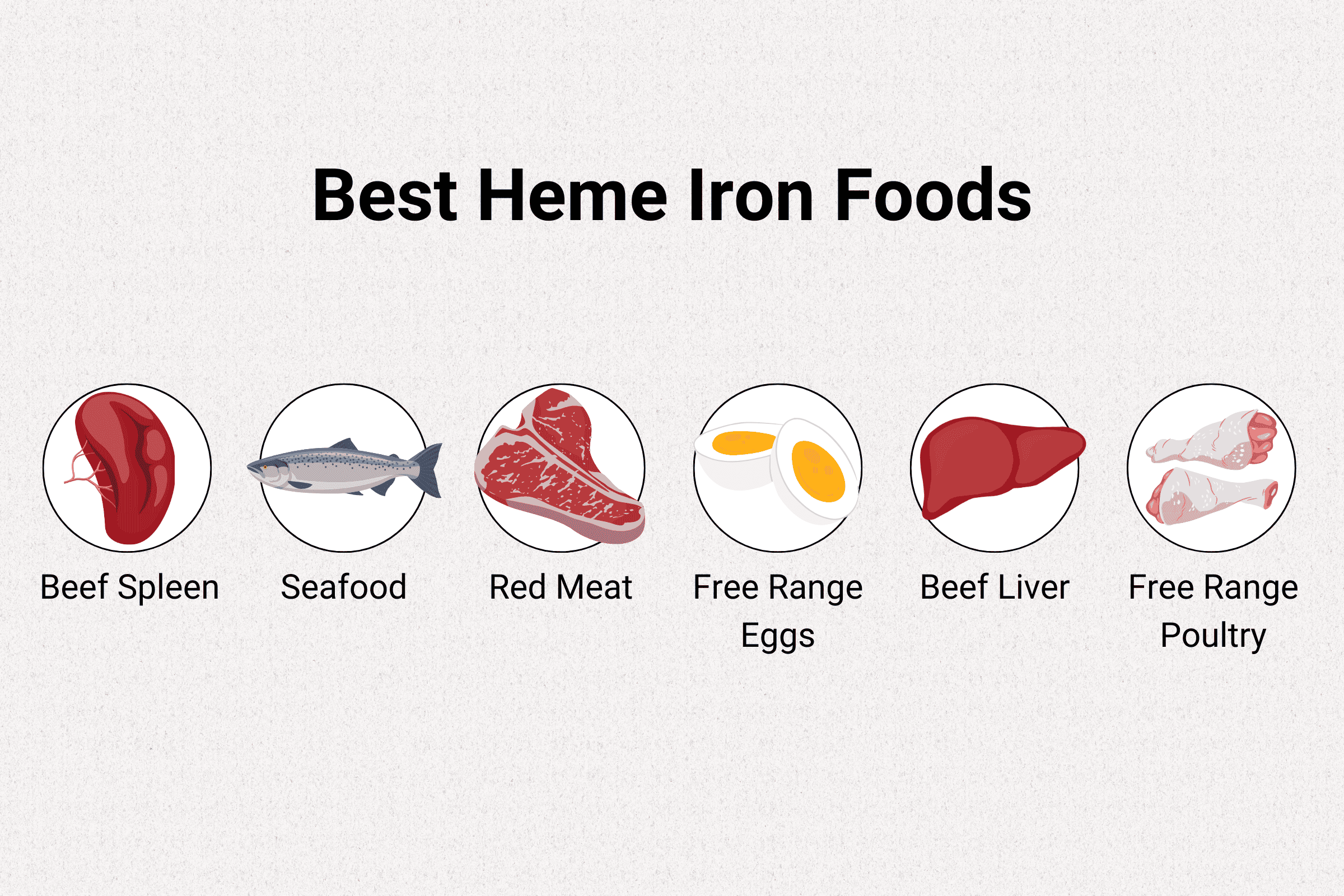
The amount of iron in meat is another thing that helps to classify it. Red meat has more heme iron, which the body can absorb more easily. Chicken also has iron, but not as much and usually in a form that isn’t heme.
This variation changes what doctors recommend people eat, especially for people who don’t get enough iron or who need to limit their iron intake. The iron profile of chicken is more like that of white meat, which supports its classification.
When you look at the iron concentration, the question of whether chicken is red meat gets a clear scientific answer again.
Why the Question Keeps Coming Up Online
Even if scientists agree on the answer, the subject keeps coming up online because of easy-to-understand explanations, blog posts that don’t agree with each other, and pictures that don’t make sense. People often search for things that have to do with how they look instead of how they work, which makes things even more confusing.
Short replies without context don’t help readers understand muscle physiology or nutritional science, which makes them confused. A thorough explanation helps end the argument and makes things clearer than just making assumptions.
This article seeks to eliminate any ambiguity by examining all facets of the inquiry of whether chicken is red meat.
Final Decision: Is Chicken Red Meat
The conclusion is clear after looking at biological composition, nutritional value, culinary application, medical guidelines, and global dietary patterns. Chicken is not red meat. In every reliable scientific and nutritional framework, it is classified as white meat and poultry.
Some pieces of chicken may look darker, but looks alone do not determine how meat is classified. Chicken is not red meat because of its muscle structure, myoglobin levels, and health effects.
The right answer to the question “Is chicken red meat?” is no. Chicken is still a lean, white meat that is important and unique in balanced meals all around the world.
In conclusion
It’s not just the color that makes beef different. By learning about the science of muscle fibers, myoglobin, nutrition, and health consequences, it becomes evident why chicken is different from red meat. This difference is important for making health plans, choosing what to eat, and knowing what foods are good for you.
The subject of whether chicken is red meat has a clear and consistent solution in biology, nutrition, and medicine. People can make better selections about their diets when they know that chicken is white meat.
Read More:- Popular Chicken Dinner Recipes for Flavorful Homemade Meals
:max_bytes(150000):strip_icc()/The-Blade-Steak-or-Chicken-Steak-FT-BLOg0624-5dd3773deade4af0afc1c15509cc4335.jpg?w=1200&resize=1200,0&ssl=1&description=Is chicken red meat or white meat? Explore scientific, nutritional, and culinary perspectives to understand how chicken is classified and what it means for health.)